Look after the pennies and the pounds will look after themselves. It’s an old saying, but it does carry a lot of truth! Here are some ideas for you to build your own nest egg – without noticing that you’ve done it.
Visit Fylde Coast wrote part of this article years ago – long before the ‘Cost of Living Crisis’ came along. We’ve updated it and added some more tips. We’re not experts by any means – this is just common sense stuff that we’ve picked up along the way. If you’ve got anything at all to add to this (or correct), please let us know. Add your ideas in the comments or email to jane@theRabbitPatch.co.uk
Look after the Pennies…
Whether you’re loaded or skint, we all need to get our finances under control right now, so why don’t you try our simple budgeting tips? Let us know how you get on if you do!
All you need to create your own kitty is a bit of organisation, self discipline and some old fashioned ways of doing things. Other than that, it’s really easy and you’ll have some spending money by this time next year. It’s a trip back to the past with what used to be called ‘Housekeeping’!
In the dim and distant past, people were paid in dirty ten pound notes, and it was a completely cash society. You could see what you’d got in your hand and felt what things cost as you bought them. Now that everything is electronic money has lost its value – and it’s very easy to lose sight of what you spend.
Housekeeping
Everyone buys food every week. It’s a fact of life. But supermarkets put huge amounts of effort, resource and science into making us buy more than we intended to. We’re not suggesting you should be miserable, but a bit of thought about what you buy can lead to big savings at the end of the year.
First of all think about what you spend every week on food and general household stuff. Add up a few weeks and take an average. You might get a shock and realise that you’re spending far more than you thought! Each week, draw this amount of money from the cash till, on the same day each week. The idea is that you get a small amount more from the cash till than you plan to spend. Give yourself a small cushion and a bit of saving leeway.
Then you need a receptacle for your money. The ladies have a chance at this point to buy a new purse – men, you can put your money in the receptacle of your choice! The idea is that each time you go to the supermarket you take this ‘purse’. Use this money, and only this money, for food and household stuff. Aim to have something left at the end of the week.
Then you need another receptacle – a pencil case, envelope, etc. Put everything in it that’s left in your ‘purse’ at the end of the week, including notes and coins.
Go to the cash till again on the same day the following week and start a new week afresh. Do the same thing every week for 52 weeks. By the end of the year you’ll have a nice little nest egg!
Because you have physical money in your hand, you’ll be more aware of what you’re spending. More conscious of the cost of things, you’ll be less likely to overspend on expensive luxuries that supermarkets lull you into buying.
Five week months
Most people get paid monthly, so what do you think to five week months? We’ve never been a fan of them – there’s a few in each year.
You can avoid them by getting a bit of extra money from the cash till each week (say £10 or £20). Put the extra bit onto one side to pay for that horrible extra week that comes along every few months.
Here’s the maths: multiply what you get from the cash till each week x 52 (weeks in a year) then divide it by 13 (four week months in a year). The difference between that and your normal weekly spend is what you need to save. Adios to five week months!
Look after the pennies and the pounds will look after themselves
Even if you only save £4.50 a week, that amounts to £234 a year. You wouldn’t notice £4.50 a week but you would notice a lump sum that you can take shopping. Spend it on yourself, or Christmas presents, or whatever. Enjoy!
This is where the original article ended. My dad and mum, Chrissie Blogger, were brought up in impoverished post-war Britain where everything was scarce. I guess they automatically did lots of things to cut corners and save money – without thinking.
Having a traditional childhood I learned the same tips and tricks from them. Then the world changed and people lost that sense of being careful and watching what they spend. It’s time to get it back again! Not just because it’s cheaper, it’s all-round better for the environment too.
Planning for Meals
Your next step is to be more organised about what you buy. Cut down on food waste, expensive processed food and gradually introduce more scratch-cooking into your routine. Write down what you’ve bought if you can’t remember – instead of it going out of date!
If you’re in the habit of going to the shops every day or couple of days – don’t. You’ll be more tempted by odds and ends, and spend much more money than you would with a weekly shop.
Instead, plan what food you’ll eat during the next few days and buy on that basis, reducing the number of days on which you shop. Depending on the kind of food you eat and how many people you’re feeding you might go food shopping once a week.
You’ll spend less money overall, and you’ll buy what you need and so waste less food. It’s not only a more responsible way to shop, it’s also a lot cheaper!
Make the day before your next big weekly shop a use-it-up-day. It’s amazing what you can concoct from what’s left in the fridge and the cupboard!
Stretching Stuff Out
You’ve only got to walk round any supermarket just to see how much we all scoff. The shelves are laden with things to tempt us – most of it’s also bad for our health and weight. While you need to look after the pennies, take the opportunity to improve your diet at the same time. Leave the expensive sugar, salt and fatty food on the shelves and eat less! If you gradually reduce your snacks, portion sizes and what you have, your stomach will gradually shrink and you won’t feel starving all the time. Another good idea is to get a smaller plate!
Yorkshire puddings are the classic accompaniment that were always served so you didn’t want a lot of meat. There’s loads of sides you can add to most things, because there’s really no need to eat as much meat as we all do. Why not try meat free days, or use a small amount of meat, shared between more people. That way you get the taste but not the cost – on your pocket or to the atmosphere. Animals (cows in particular) are one of the biggest sources of greenhouse gas! Bulk a little bit of meat out with a lot of vegetables, or try some of the veggie alternatives.
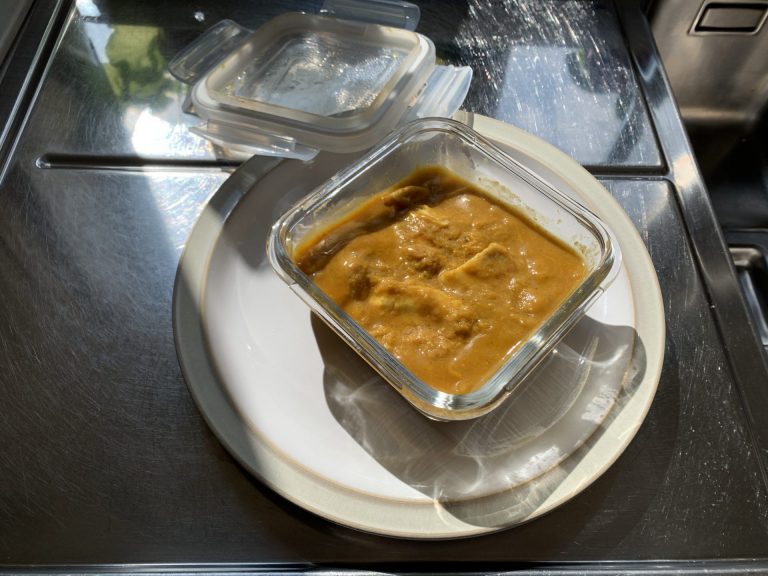
- If there’s just a few of you it’s just as easy to cook a large meal and freeze half/some of it. Invest in some glass storage boxes with clip-top lids – they’re brilliant – just pop them in the microwave to defrost and cook in the container.
- Full tin of something too much for you? Eat half and freeze half in a small glass box.
- Full packet of bacon too much? Freeze the rest. If you want a couple of rashers at a time, you can interleave them with greaseproof paper.
- Love pigs in blankets? Buy a packet and freeze them in a zip-top bag. That way you can cook one or two at a time.
- Spare bread leftover? Turn it into breadcrumbs and freeze. Mixed with an egg, a bit of grated cheese and some seasoning it’s a lovely topping for chicken or fish.
Then when there’s nothing fresh left to eat, have freezer-surprise – and use up one of the leftovers that you’ve frozen!
Scratch Cooking
Let’s face it, everyone is busy these days and we all shop for convenience. But you’d be surprised at how quick and easy it is to make nutritious, tasty food yourself. And it’s a LOT cheaper too.
We’ve got a few favourite family recipes in our ever expanding Visit Fylde Coast cookbook. Some of them date back donkey’s years – old recipes that have been handed down.
- For example, you can use all kinds of leftover vegetables, bung in a few squashy tomatoes and you’ve got a big pan of fresh, homemade vegetable soup.
- One packet of mince can easily make enough meals for eight servings over two days. Fresh Shepherd’s Pie, followed by Yorkshires and gravy the day after.
- Just be a bit inventive and use the ingredients you like the taste of – you’d be surprised what you can knock up for a fraction of the price of buying pre-prepared.
- Buy fresh salad ingredients (not prepacked) and have them umpteen ways on different days. Serve it all chopped up, traditional on a plate, in sandwiches, etc
Use your Oven Wisely
It’s obvious, although I hadn’t really thought about it. Your oven is the greediest appliance in your house. So when you do put it on, use it wisely. Need to cook your main meal in a proper oven? Have roast vegetables instead of boiling them on a ring. Cook a pudding in the oven at the same time – turn it off when you have your main, shut the door and keep it warm until you’re ready. Why not bake some soda bread for tea while the oven is on?
The Air-Fryer Bandwagon
Whether you’re interested in the size of your energy bill or your waist, you’re sure to have heard about air-fryers. It wasn’t until the energy price increase that I realised just how much an average cooker costs to run – and it’s a lot! An air-fryer fans hot air over your food, crisping it up with less oil than traditional frying. Because it’s a much smaller cavity than an oven it’s quicker and cheaper to use. I have to admit that here at Visit Fylde Coast we’ve also jumped on the bandwagon. I haven’t used it yet but I’ll keep you posted!
Microwave Magic
Got a microwave? Use it! Don’t just heat up ready meals, it’s also great for cooking stuff too. Greens and vegetables can be cooked in a fraction of the time it takes to boil on a hob. Get a plastic microwave pan and put your veg in it – no need for water. Most things are done to perfection in two minutes – peas, beans, broccoli etc. After years of boiling carrots for 25 minutes I discovered the other day that carrot slices can be cooked in 2-3 minutes… And you’re not washing all the vitamins away in the cooking water!
My next challenge is to microwave a sponge cake. They don’t brown (obviously) but you won’t be able to tell once it’s finished. I’ll keep you posted!
Other Money Saving Tips
I have to say I gasped when I saw the estimate for the Rabbit Towers electricity bill from 1 October 2022 ? I wouldn’t say we’re especially wasteful but we have got room for improvement. Our problem is that we’ve got three adults, an assorted menagerie and a business all going on from one house – so our bill was always going to be larger than average.
But we’re definitely on the lookout for money saving tips!
What to do about the heating…
Well there’s a question. Opinion is divided about whether it’s better to have the heating on low all day or just have it on for a couple of hours. What do you do? If you’ve got any maths to explain which is the most cost effective option, please leave a comment below.
While you’re hithering and dithering about whether you dare put the heating on, there are other things you can do to keep warm and avoid hypothermia! We’ll all be looking at throws, blankets and onesies this winter. But seriously, layers are definitely the way to go and it’s important to keep your body warm, even if your house isn’t. Lots of thinner layers trap a layer of air next to the skin and definitely keep you warmer. It’s how birds feathers work!
It’s time to think about going back to vests. Long sleeve, short sleeved, depending on how much you feel the cold. Add a long sleeved brushed cotton t-shirt over the top and a nice thick fleecy cardigan and you’ll be toasty warm.
Continually cold hands? (I have) Get a pair of fingerless gloves. You can still function and do stuff but it’s surprising how much warmer they make you feel. Pop on a hat!
There are various blankets and snuggly things around with a heated element. We’ve got a small square heat pad that you use for aches and pains. It’s surprisingly good at keeping you warm – I use it during my very early morning work sessions in winter. I don’t like the dry, stuffy air of central heating so I prefer that.
Drafts and Breezes
I don’t know about you but there are spots in our house where a gale blows, never mind a breeze. Our next campaign is to block all the drafts and breezes – rather than heat the air up to send it outside!
We’re lucky that we’ve got the inventive Kevin – he’ll be going round with a combination of expanding foam, silicon, and insulation products, to systematically eradicate all those gaps.
Wishy-Washy
While we’re on the subject of drafts and breezes, what about your washing. It’s fair to say that we’re probably all in the lazy habit of stuffing everything in the tumble dryer. Our ancestors would be horrified at the thought and my mum Chrissie always preferred to hang them outside.
If you’ve got outdoor space, why don’t you rig up a new washing line, get yourself some pegs and hang them out? It’s a bit of exercise, chasing in and outdoors. You’ll hear the birds singing, feel the sun on your face and save money. Plus which, line-dried washing has a smell all of its own, and it’s all easier to iron too.

While we’re on the subject of washing, are you in the habit of putting everything in the washer when you’ve worn it once? Do you really think it’s necessary? Obviously dirty and smelly clothes need washing but if you’ve only had something on for a couple of hours, leave it out to air and then put it away. Try hanging creased things in the bathroom and the steam usually makes the creases drop out. Or give things you’ve worn a rub over with the steam iron. The steam kills any bacteria that’s lurking, leaving them fresh and ready to wear again.
Washing your clothes less doesn’t just look after the pennies, it also prolongs the life of your garments. And it’s releasing less of their fibres into the washing water and rivers – and that’s a problem with synthetic fabrics.
Final thought…
It struck me as I was writing this that the energy crisis is probably another wake-up call, just like the covid pandemic was. Covid taught us a lot of things about life and what’s really important. By and large it seemed to bring the very best out in people.
In the last couple of decades the world has lost sight of the value of things – maybe this is a lesson in learning about resources and what’s important materially? All that plastic that’s been made, thrown away and will never disappear. Fast wear-it-once fashion, all the rubbish that we create. The can’t be bothered world that doesn’t appreciate ‘things’. It looks like ‘make-do-and-mend’ is having a resurgence while we look after the pennies!
While you’re here…
Go to the homepage of the Visit Fylde Coast website for the latest updates.
Love the Fylde Coast? Sign up for your email newsletter. Packed full of interesting things it arrives in your inbox all 52 weeks of the year.
👉Join us on Facebook at our Visit Fylde Coast Facebook Group. Plus hundreds of videos to watch on our YouTube channel – from all over the Fylde Coast!
📣JOIN our new VFC WhatsApp Channel for what’s happening, interesting local information, history, communities, events and much more.
Booking a stay? Pick a safe, clean and legal place to stay, at the very best price. Book using the Visit Fylde Coast Accommodation guide.