Climate change, increasing populations and nowhere for water to go is making more of us vulnerable. If it rains a lot, almost anywhere can flood. Here’s some flooding advice and prevention ideas so you can be prepared.
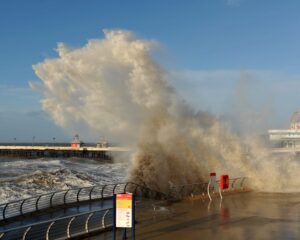
Floods can happen anywhere at any time. Rising groundwater levels, burst water pipes, rainwater running off hillsides – as well as flooding from rivers and seas. Even if you live miles from the sea or a river, flooding could still affect you. Above is flooding from overtopping in Blackpool in January 2014, thanks to Mel Jones Photography.
- At a glance: essential flood contacts
- 1. What causes flooding on the Fylde Coast?
- 2. Check your flood risk before flooding happens
- 3. Make a flood plan for your home
- 4. Prepare your property before flooding
- 5. What to do when flooding is approaching
- 6. What to do if your home starts flooding
- 7. Flooding advice for visitors and tourists
- 8. Look after pets, livestock and people who need additional help
- 9. What to do after a flood
- 10. Businesses and community organisations
- 11. Where to find further help
- Be prepared, stay informed and stay safe
- While you’re here…
At a glance: essential flood contacts
If flooding threatens your home or you are caught out while visiting the Fylde Coast, these are useful starting points.
- Immediate danger to life: Call 999.
- Check current flood warnings and forecasts: GOV.UK – Check for flooding.
- Flood advice by telephone: Floodline, 0345 988 1188, available 24 hours a day.
- Report flooding from rivers or the sea: Environment Agency incident hotline, 0800 80 70 60.
- Report surface-water flooding, highway drainage or local watercourse problems: Contact the relevant local authority. Lancashire County Council’s reporting information is available at Report flooding and drainage.
- Report sewer flooding or a blocked sewer: United Utilities. Its published contact number for sewer flooding inside a property is 0345 672 3723.
The correct organisation depends on the source of the flooding and the location. Blackpool has its own council arrangements, so residents there should use Blackpool Council’s reporting service for matters within its responsibility.
If someone is in immediate danger, do not delay calling emergency services while trying to report the flooding elsewhere.
Flooding Advice and Prevention on the Fylde Coast
How to prepare for flooding, protect your property and stay safe before, during and after a flood
Flooding can happen almost anywhere, and the Fylde Coast faces some particular challenges. Our coastline, low-lying land, the Ribble, Wyre and other rivers, urban drainage systems and changing weather conditions can all contribute to flood risk.
Heavy rainfall can cause flooding even when you live miles from the sea or a river. When intense rain coincides with high tides, water may also struggle to drain away, increasing the risk of flooding in low-lying areas.
Whether you live in Cleveleys, Fleetwood, Blackpool, Thornton, Poulton, St Annes or elsewhere across the Fylde Coast, a little preparation can make a real difference. Visitors also need to be aware of the dangers of coastal flooding, flooded roads and rapidly changing weather.
The most important thing to remember is simple: protect people first, then pets, and only then your property and belongings.
1. What causes flooding on the Fylde Coast?
Flooding has several causes, and more than one can occur at the same time. Understanding the differences helps you prepare for the risks that may affect your home, workplace or journey.
Coastal flooding
The sea can cause flooding through storm surges, exceptionally high tides and waves overtopping sea defences.

Strong winds can drive waves towards the shore, sometimes sending water over sea walls and promenades. Floodwater can then affect low-lying land beyond the immediate seafront. Do not assume that a sea wall, promenade or coastal road is safe simply because it normally protects the land behind it. Overtopping can occur suddenly, and waves can sweep people off their feet.
During dangerous coastal conditions, stay well away from the water’s edge, sea walls and exposed promenades. Follow local closures and warnings.
Surface-water flooding
When heavy rain falls faster than it can drain away or soak into the ground, water can accumulate on roads, pavements, gardens and inside properties. This is often called surface-water flooding or flash flooding. It can happen quickly and may affect places that are not close to a river or the sea.
Hard surfaces such as roads, roofs, driveways and paved gardens prevent rainwater from soaking into the ground. Blocked gullies and overloaded drainage systems can make the problem worse.
River and stream flooding
Rivers, brooks and streams can overflow following prolonged or intense rainfall. Flooding may affect properties, roads, fields and other low-lying land.
The Wyre and Ribble catchments are important parts of the wider regional picture. Conditions upstream can affect water levels downstream, so heavy rainfall elsewhere in a river catchment may matter even when the weather near your home appears relatively calm.
Drainage and sewer flooding
Heavy rainfall can overwhelm drainage and sewerage systems. Water may back up through drains or toilets, while blocked drains can contribute to localised flooding. Here on the Fylde Coast, high tides can also make it harder for water to discharge into the sea or estuaries, depending on local drainage arrangements.
Never assume that flooding is caused by a single factor. Rainfall, tides, drainage capacity and local ground conditions can interact.
Groundwater and other sources
Water can rise through the ground after prolonged wet weather. Flooding can also result from burst water mains, damaged infrastructure or reservoir incidents. Even if your property is not near the coast or a river, it is worth checking its flood risk.
Big trouble comes when really heavy rain coincides with high tides. While the tide is in it makes it even more difficult for the rain water to drain away. The consequence is that the fluid all backs up in the drain system. Ultimately it can fill the drain system to the top – and cause flooding. The lowest lying areas succumb to flooding first.
This is why United Utilities has spent hundreds of millions of pounds in recent years, building improved facilities in the area. At Anchorsholme Park a huge storage tank holds on to excess wastewater until the rain has passed. It then goes to the treatment works at Fleetwood as normal.
Around 11.3 million people in England live in areas at risk of flooding.
Overall, 6.3 million homes in England are at risk of flooding.
You are statistically more likely to get flooded than burgled.
The UK spends around £1.5bn a year on flood defence.
Young people are more likely to be at risk of floods due to a lack of knowledge.
2. Check your flood risk before flooding happens
One of the best things you can do is find out what might affect your property before an emergency occurs.
Check current conditions and warnings
Use the official GOV.UK flood information service to check current flood alerts and warnings, river and sea levels, rainfall information and the flood risk forecast for the next five days.
You can also register for warnings by phone, text or email through the government’s flood warning service.
Flood alerts and warnings are not the same:
- Flood alert: Flooding is possible. Be prepared and keep monitoring conditions.
- Flood warning: Flooding is expected. Take immediate action to protect yourself and follow the advice issued.
- Severe flood warning: There is a danger to life. Follow emergency-service instructions and call 999 if you or someone else is in immediate danger.
Not every type of flooding is covered by the same warning service. In particular, local surface-water flooding can develop rapidly, so check weather warnings and local-authority updates as well.
Check the longer-term risk
Use the official long-term flood-risk service to investigate risks from rivers, the sea, surface water and other sources where information is available. Don’t forget that maps show risk, not certainty. They cannot guarantee whether a particular building will flood, and local drainage problems may not be fully represented.
For local information, visit Lancashire County Council’s flooding pages or the relevant council website for your area.
Local information to verify before publication: Add any confirmed local flood action groups, community flood wardens, flood schemes and neighbourhood-specific guidance, with links to the organisations responsible for them.
3. Make a flood plan for your home
A flood plan helps you act quickly rather than trying to make important decisions under pressure. Write down what you will do, who you will contact and what you need to take with you. Keep a copy somewhere accessible, including digitally. Your plan should cover:
- Where you will go if you need to leave your home.
- How you will get there without using flooded roads.
- How to contact family, neighbours, insurers and emergency services.
- Where your important documents and emergency supplies are kept.
- How you will move pets and assist anyone who needs additional support.
- How to turn off gas, electricity and water safely, if necessary.
- What you will do if you cannot safely return home.
Download or follow the government’s personal flood plan guidance.
Prepare a flood kit
Keep essential items together in a waterproof bag or container that you can grab quickly. Include:
- Mobile phone, charger and power bank.
- Torch and spare batteries.
- Essential medication and a basic first-aid kit.
- Drinking water and non-perishable food.
- Warm, waterproof clothing and sturdy footwear.
- Copies of insurance details, identification and important documents.
- Essential contact numbers.
- Supplies for babies, children, older people or anyone with additional needs.
- Pet carriers, leads, food, water and other necessary pet supplies.
Keep important documents and irreplaceable belongings above expected flood levels wherever possible. Digital copies of documents and photographs can also be useful. Torches and battery-powered lights are preferable to candles during an emergency.
4. Prepare your property before flooding
There is no single solution that will prevent every flood. However, taking sensible precautions can reduce the damage.
Consider suitable flood-protection products
Depending on the property and the type of flooding, you may be able to use purpose-designed flood barriers, door guards, air-brick covers or other flood-resilience products.
Choose products suitable for your property and seek professional advice where appropriate. Flood protection has limitations: a barrier designed for shallow surface water may not be suitable for coastal flooding or prolonged inundation.
Sandbags can sometimes help divert or slow water, but they are not watertight and should not be relied upon as your only protection. Do not assume that the council will supply sandbags. Lancashire County Council says it has no general statutory duty to provide them and that availability, where offered, is limited and conditional. Check the current policy for your own local authority.
Do not seal ventilation openings or drainage points without understanding the consequences. Blocking air bricks, vents or other openings can affect ventilation and may cause additional problems. Follow the instructions supplied with approved flood-protection products.
Using Sandbags
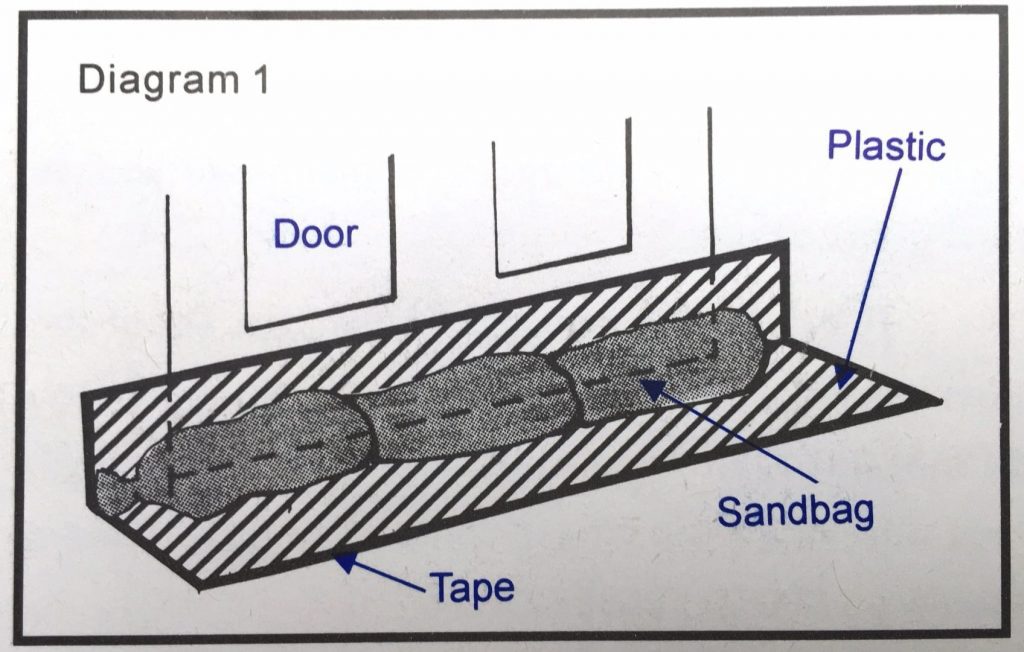
Know how to use sandbags. When flooding is imminent, try to seal your house. Start with the lowest points. Sandbags should last for years when stored properly, off the ground in a dry place if you haven’t got a shed or garage.
You can also buy alternative sandbags containing a lighter gel, in preparation for flooding. With many advantages over traditional sandbags they’re found to be more effective too. You can find advice about alternative sandbags on The Flood Hub website.
To seal doors, place empty plastic sacks around the bottom and sides of doors. Use heavy duty tape to hold them in place. (Insulation, duck, gaffer tape etc). Place the sandbags on top of the bin bags and tread them into place to get a good seal.
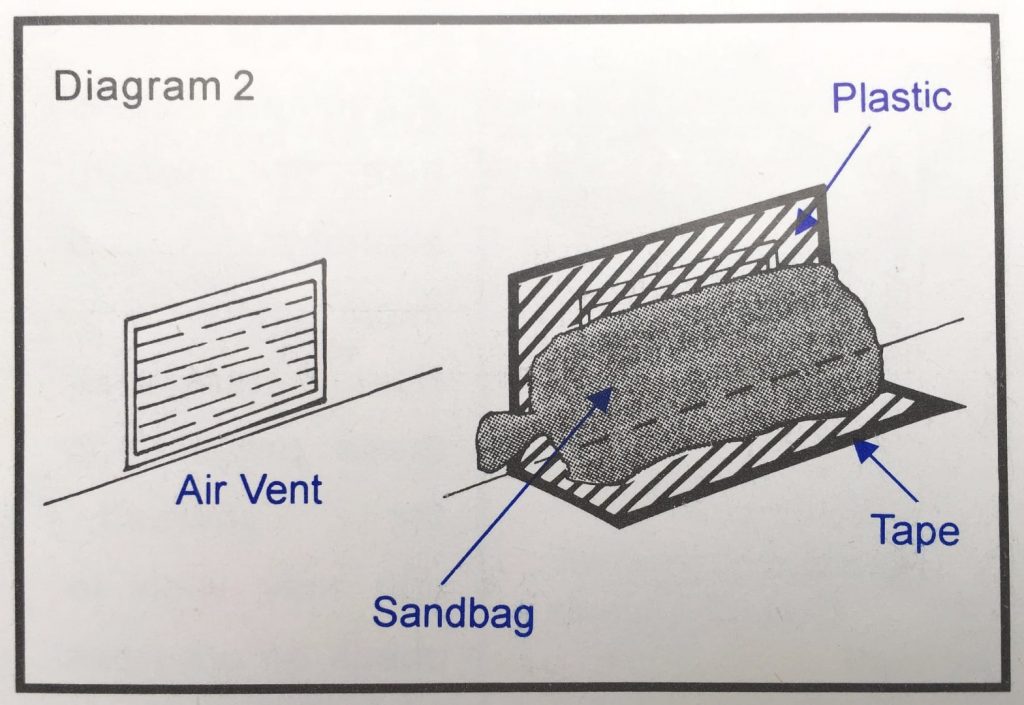
Seal air bricks and vents. Use a similar method to seal these gaps up for the duration of the flooding risk. Remember to seal other gaps such as low letter boxes and cat flaps.
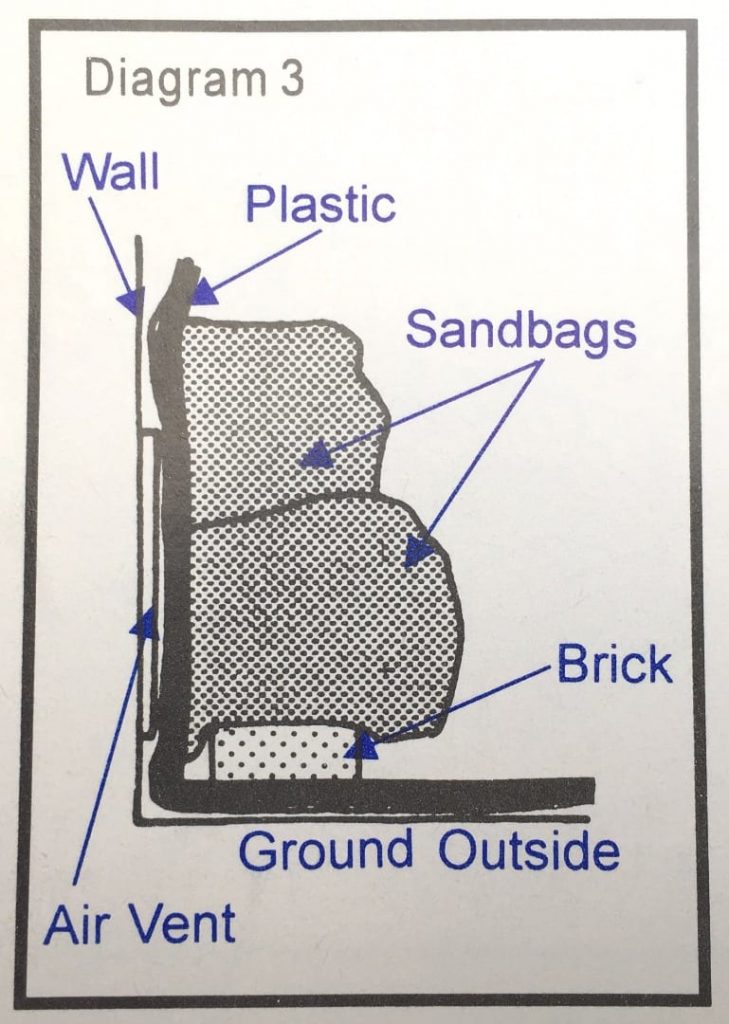
If the vent is low lying but above ground level, pile your sandbags on top of bricks or use timber props to get them to the correct height. But ALWAYS do the lowest ones first.
Make a floodgate
If you’ve got a solid structure around your garden like a brick wall, you could limit the amount of water which comes into your garden by making a flood gate to fit across your driveway or gate.
It doesn’t have to be a sophisticated masterpiece of engineering. A piece of wood fitted against your garden gate, protected by plastic and sandbags will do a good job. A flood gate will also limit how much water sloshes into your garden because of passing cars and vehicles. You could do the same with your garage door.
Make your garden more absorbent
Have you got a lot of paving, or gravel under laid with membrane or plastic, or any kind of solid surface on the floor of your patch? Then you’re reducing the amount of water which can soak away from it. You’ll probably find that you get puddles of standing water after normal rainfall, and it might even have been under an inch or two of water during stormy conditions.
Consider changing your garden landscaping to an absorbent design and help to reduce the amount of standing water it collects. If all gardens were porous it would make a big difference.
What’s an absorbent garden design?
The most obvious – and best – absorbent garden design is a traditional garden with grass, trees and plants. It might be boggy during rainfall but it dries up surprisingly quickly afterwards. Lawns allow rain to drain naturally into the ground. Trees drink a huge amount of water, which is why traditional planting is so effective.
Gardens and outdoor spaces can help manage rainfall. Where appropriate, consider:
- Replacing some unnecessary impermeable paving with permeable surfaces.
- Planting trees, shrubs and other vegetation suitable for your garden.
- Using rain gardens or planted drainage areas where the ground and location allow.
- Collecting roof runoff in water butts where suitable.
- Avoiding unnecessary paving over areas that currently absorb rainwater.
These measures can help reduce runoff, but they will not prevent every flood. Ground conditions, groundwater levels and the intensity of rainfall all affect how well water can soak away.
Do not direct water onto neighbouring properties or public land, and seek advice before making drainage changes that could affect others.
Keep drains clear and dispose of waste responsibly
Leaves and debris can block gullies and surface-water drains. If you can do so safely, keep the drains on your own property clear and report blocked public drains to the responsible authority.
Never lift drain covers or enter drains, culverts or sewers yourself.
Help prevent sewer blockages by putting only the appropriate materials down the toilet. Wet wipes, fats, oils and other rubbish can contribute to blockages even when products are marketed as flushable.
If you own property next to a river, brook, ditch or other watercourse, check your responsibilities for maintaining it and preventing obstructions. Start with Lancashire County Council’s flooding guidance.
5. What to do when flooding is approaching
If you receive a flood warning, act promptly. Floodwater can rise quickly, and conditions may change before you expect them to.
- Protect people first. Move family members and pets to safety. Follow evacuation instructions from emergency services.
- Move essential belongings only if safe. Take medication, important documents, phones and your emergency kit.
- Move vehicles only if there is time and it is safe. Do not risk driving through floodwater or ignore road closures.
- Use flood-protection products if available. Follow the manufacturer’s instructions and do not delay evacuation to install them.
- Isolate utilities only if safe. If you can reach the controls without entering floodwater or putting yourself at risk, follow appropriate safety guidance. Never touch electrical switches while standing in water.
- Keep up to date. Check official warnings and follow local-authority and emergency-service instructions.
- Let someone know you are safe. Tell family or friends where you are going, if possible.
Do not wait until water is at your front door before acting if an evacuation is advised.

6. What to do if your home starts flooding
Your safety matters more than saving possessions.
- Keep children and pets away from floodwater.
- Do not enter water to retrieve belongings or attempt repairs.
- Do not touch electrical equipment, switches or sockets if there is water nearby.
- Do not attempt to operate utility controls if they are in a flooded area.
- Move to a safe upper floor or higher ground if appropriate, but do not assume staying upstairs is always safe. Follow evacuation instructions.
- Call 999 if you or someone else is in immediate danger.
Floodwater can contain sewage, chemicals and other contaminants. It may also conceal uncovered drains, damaged road surfaces, sharp objects and strong currents.
Never walk, cycle or drive through floodwater. Turn around and find another route. Water that looks shallow can still sweep people or vehicles away. Do not attempt to rescue someone from floodwater yourself if doing so would put you in danger. Call emergency services.
7. Flooding advice for visitors and tourists
The Fylde Coast is a wonderful place to visit, but severe weather and high tides can make some coastal locations dangerous.
If you are visiting Cleveleys, Fleetwood, Blackpool, St Annes or the surrounding area:
- Check weather forecasts, flood warnings and travel information before setting off.
- Keep away from promenades, sea walls and exposed coastal areas when waves are overtopping or conditions are dangerous.
- Respect barriers, road closures and warning signs.
- Never drive through floodwater, even if another vehicle has gone through.
- Do not leave a vehicle in a low-lying area if flooding is expected.
- If your accommodation is affected, follow instructions from the owner, management or emergency services.
- Keep your phone charged and know where you can go if you need to leave.
If you are staying in a hotel, holiday park or rented accommodation, ask the management what their emergency arrangements are. Do not assume that a route you used to arrive will remain safe during severe weather.
Don’t use your car unless it is absolutely necessary. A small depth of water can cause your engine to stall and your car may become stranded, blocking an entire road. And driving along flooded roads will also sweep waves of water into gardens and homes.
8. Look after pets, livestock and people who need additional help
Flood planning should include everyone in the household. Arrange support in advance for older neighbours, disabled people, anyone with limited mobility and people who depend on medication, powered medical equipment or regular care.
Consider transport, accessible accommodation, medication supplies and how you will communicate if telephone or electricity services are disrupted.
For pets, prepare carriers, leads, food, water and medication. Identify somewhere safe to take them if you must evacuate. Do not leave animals confined in areas that may flood.
Farmers and livestock owners should plan how to move animals, feed, equipment and essential supplies to safer ground where appropriate. Do not attempt to move livestock through floodwater if doing so would endanger people or animals.
If you are part of a local community group, consider whether neighbours would benefit from a shared flood plan, agreed communication arrangements or a local flood action group.
9. What to do after a flood
Floodwater can leave a property unsafe even after the water has receded.
Before going back inside
- Do not return until the emergency services or relevant authorities indicate that it is safe.
- Floodwater may have damaged electrical systems, weakened structures, contaminated surfaces or left hidden hazards behind.
- Do not turn gas, electricity or water supplies back on until they have been checked as necessary by the relevant utility provider or a qualified professional.
Record damage and contact your insurer
If it is safe to enter:
- Photograph or film damage and the water level before clearing up.
- Contact your insurance company as soon as possible.
- Keep receipts for emergency expenses.
- Make an inventory of damaged belongings.
- Follow your insurer’s instructions before disposing of items or arranging major repairs.
If you rent your home, contact your landlord and your contents insurer, if you have one. Your landlord is generally responsible for repairing flood damage to the property, subject to the circumstances and applicable legal obligations.
If you do not have insurance and cannot remain in your home, contact your local council to ask about emergency accommodation and any available assistance.
Clean up safely
Wear suitable protective clothing, gloves and sturdy footwear. Avoid direct contact with floodwater and contaminated materials, and wash your hands thoroughly after cleaning.
Do not use electrical appliances in wet areas unless they have been checked and are safe.
Follow official guidance on cleaning, drying and disposing of contaminated belongings. Ask your council how to dispose of flood-damaged waste and used sandbags.
If you suspect structural damage, seek professional advice. Do not pump out a flooded building without understanding the risks; pumping while external water levels remain high can cause additional structural damage.
For detailed guidance, see GOV.UK – What to do after a flood and Lancashire County Council’s flooding support.
Flooding can also be emotionally exhausting. Seek support from family, friends, your GP or appropriate support organisations if you are struggling with the aftermath.
10. Businesses and community organisations
Flooding can disrupt shops, cafés, hotels, holiday accommodation, attractions, community centres and other local services.
Businesses should have a written flood plan covering:
- Staff safety and evacuation.
- Customer communication and accessible emergency arrangements.
- Protection of records, computers, stock and essential equipment.
- Alternative ways to contact suppliers and customers.
- Insurance, financial records and recovery arrangements.
- How to reopen safely after an incident.
Community groups, schools and care settings should consider the needs of people who may not be able to evacuate independently.
Local businesses should also check how they will communicate temporary closures and changes to access. Visitors should rely on official updates rather than assuming that a particular road or attraction remains open.
11. Where to find further help
The following official resources provide additional advice and services:
- GOV.UK – Check for flooding: current flood warnings, river and sea levels, and the five-day flood forecast.
- GOV.UK – Prepare for flooding: long-term flood risk, personal flood plans and preparation.
- GOV.UK – What to do before or during a flood: safety advice and emergency actions.
- GOV.UK – What to do after a flood: recovery, insurance, cleaning and support.
- Environment Agency: flood warnings, river and coastal flooding information, and incident reporting.
- Lancashire County Council – Flooding: local flood support, reporting and investigation information.
- United Utilities: sewer flooding and water-service problems.
- The Flood Hub: practical advice for households, businesses and communities in the North West.
- National Flood Forum: independent advice and support for people affected by flooding.
Be prepared, stay informed and stay safe
Flooding can be frightening and disruptive, but preparing in advance gives you more time to make sensible decisions.
Know your risks, sign up for relevant warnings, keep an emergency kit ready and make a plan for your household, pets or business. If flooding threatens, act promptly and follow official advice.
On the Fylde Coast, where coastal conditions, rainfall and drainage can interact, staying informed is particularly important.
Please remember: no possession, vehicle or property is worth risking a life. Never enter floodwater, and always follow instructions from the emergency services.
While you’re here…
Go to the homepage of the Visit Fylde Coast website for the latest updates.
Love the Fylde Coast? Sign up for your email newsletter. Packed full of interesting things it arrives in your inbox all 52 weeks of the year.
👉Join us on Facebook at our Visit Fylde Coast Facebook Group. Plus hundreds of videos to watch on our YouTube channel – from all over the Fylde Coast!
📣JOIN our new VFC WhatsApp Channel for what’s happening, interesting local information, history, communities, events and much more.
Booking a stay? Pick a safe, clean and legal place to stay, at the very best price. Book using the Visit Fylde Coast Accommodation guide.