


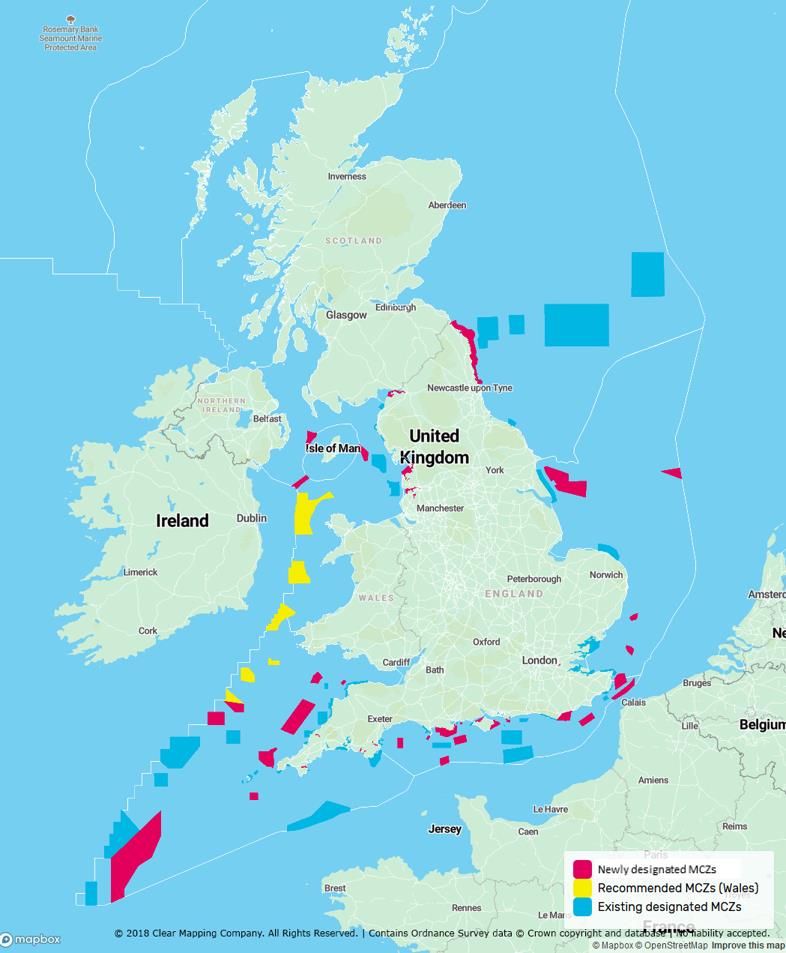
There’s a total of 91 Marine Conservation Zones (MCZs) across English coastal and offshore waters. They’re a kind of marine nature reserve. The areas that protect a range of nationally important, rare or threatened habitats and species. Around 20% of UK waters now have some protection – together they form a “blue belt” around the English Coast.
There are 91 MCZs in waters around England.
Did you know? 10 are in the Irish Sea. Wyre and Lune, Ribble Estuary and Fylde MCZs protect the waters around the Fylde Coast.
The 91 Marine Conservation Zones were created in three phases:
- 27 zones were first designated on 21 November 2013.
- Another 23 sites followed in the second phase on 17 January 2016.
- 41 new sites and 12 additional features followed on 31 May 2019.
Marine Conservation Zones in the Irish Sea
The Marine Conservation Zones in the Irish Sea protect many different species. Ancient clams, sea pens, fish, sea urchins, burrowing anemones and starfish are just some of them.
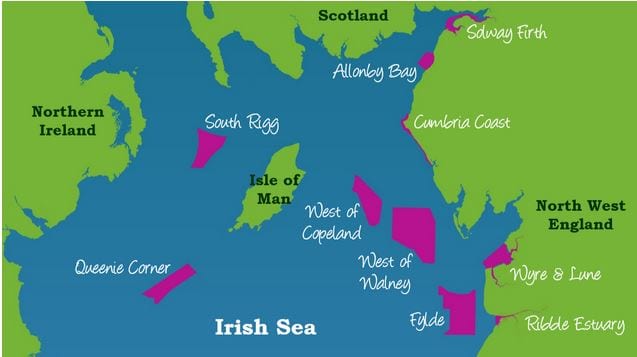
Irish Sea Marine Conservation Zones are:
- Allonby Bay (2016)
- Cumbria Coast (2013)
- Fylde (2013) – protecting waters off Blackpool, St Annes and Lytham
- Queenie Corner (2019)
- Ribble Estuary (2019) – protecting the River Ribble area
- Solway Firth (2019)
- South Rigg (2019)
- West of Copeland (2019)
- West of Walney (2016)
- Wyre and Lune (2019) – protecting the River Wyre area
The protection of these areas is vital to the recovery of habitats and species that have suffered from decades of over-exploitation.
Protection of strange and wonderful creatures
These special places include deep muddy plains. They’re home to delicate sea pens, strange spoon worms and fragile sea potatoes. As well as the world’s longest lived creatures – ocean quahog clams!
Other areas include scarce areas of sandy seabed that support a wealth of wildlife. From molluscs to sea urchins, and burrowing anemones and starfish. Plus four important estuaries. Here, some of the last surviving populations in England of European smelt (the cucumber fish) are known to exist.
North West Wildlife Trusts have been campaigning for Marine Conservation Zones for 10 years. But this network of protected areas couldn’t have been achieved without the help of the public.
Each of these sites needs ongoing management, to ensure the underwater habitats and species are protected. North West Wildlife Trusts work hard with statutory organisations, regulators, other stakeholders and local communities to make this happen.
Other UK MCZs
Other sites include Beachy Head East. A large inshore site that encompasses the seas next to Eastbourne, Bexhill and Hastings in Sussex. It’s home to an incredible diversity of fish, including seahorses. The MCS Agents of Change project backed the locally-run campaign ‘Backing Beachy Head East’. It attracted the support of fishermen, anglers, local businesses and all three local MPs.
These new offshore sites present exciting opportunities to include Highly Protected Marine Areas. Activities like dredging, and bottom-towed trawling aren’t allowed. Species of commercially important fish, and the habitats they depend on, can then properly recover and flourish.
Highly Protected Marine Areas are an important element of a protection network as they allow the rewilding of the seabed. These sites are also good for carbon sequestration. Shellfish beds and other habitats recover, helping us mitigate against the threat of climate catastrophe.
Diving down for the evidence
Divers from Seasearch, the volunteer dive programme coordinated by MCS, collected evidence about the importance of these new MCZs. Given to Defra, this data helped inform their decisions.
Divers spent hours and hours diving England’s diverse seabed habitats to record the marine plants and animals that inhabit our inshore seas. This meticulous citizen science provided evidence to make the case for the protection of many of these new sites.
Wildlife and habitats in the MCZs play an unseen role in our lives. If we look after it properly now, seagrass will go on stabilising the seabed and storing carbon. Oyster beds will go on filtering the water and improving its quality. Estuaries will continue to provide nursery grounds for fish.
MCS is now working to achieve proper management of all marine protected areas. They engage with Defra to ensure that conservation policies and regulations are fit for purpose. And they continue to collect seabed data and work with local communities.

While you’re here…
See the Visit Fylde Coast website homepage for more of the latest updates.
Love the Fylde Coast? Sign up for your weekly email newsletter. Packed full of interesting things it arrives in your inbox all 52 weeks of the year.
- Join the Visit Fylde Coast Facebook Group
- Follow us on Twitter @visitFyldeCoast


