


Any beach, anywhere in the UK, is a place to respect. While enjoying the wonderful environment, always take care for your own safety. You should be especially careful of sandbanks and tidal pools. Don’t get cut off by the incoming tide and spoil your day beside the sea.
IF YOU EVER THINK ANYONE IS IN DANGER – ALWAYS RING 999 AND ASK FOR THE COASTGUARD
There have been many near-miss strandings on sandbanks over the years. The incoming tide can completely cut off a high sandbank, leaving people with no choice but to wade through very deep and fast moving water.


Here’s a short video about sandbanks and beach safety –

Enjoyed this video? Make sure you subscribe to the Visit Fylde Coast YouTube channel for all the latest vlogs!
Sandbanks and Tidal Pools
Beaches change every day according to the weather, tides and currents in the sea. When the weather is rough the sea scours sand off the beach into suspension in the water. When it’s calm the sand settles out and builds the beach up.
All of this natural activity can have a significant effect on the shape of the beach. Don’t assume it will be the same shape today as it was yesterday.
One advantage of sandbanks is that they form tidal pools. The shallow water warms more quickly with the heat of the sun, and they’re a great, safe place for kids to play.

Downside of Sandbanks and Tidal Pools
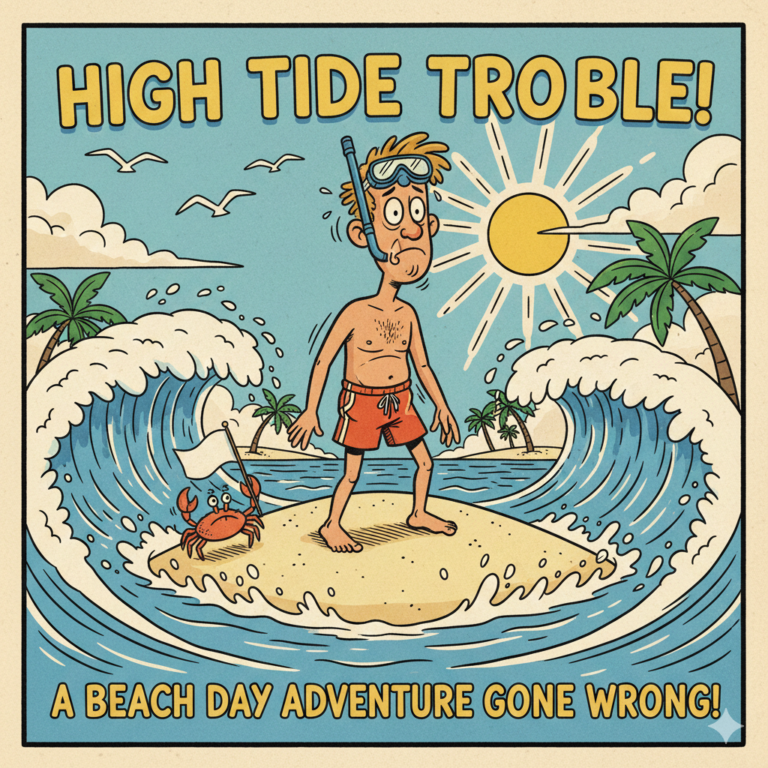
However, the big downside of sandbanks is that you can very easily get cut off from the main beach on them when the tide comes in. The huge flat sandy beaches of the Fylde Coast are particularly prone to the formation of sandbanks. They’re probably the number one thing which would catch most people out.
The sea carves channels in the sand, which shift and move on a daily basis with each tide, particularly so during heavy winds. When the tide comes back in, the water rushes through these lower lying channels and creates sandbank islands which easily cut you off and leave you in danger. The bank can often be too long to outrun. The incoming sea water rushes at some speed around the sandbank into the channel behind it. The water can be very deep, cold and fast moving.
When you go out to the edge of the sea ALWAYS:
- Know whether the tide is in or out, and especially whether it’s coming in.
- Watch the beach and make sure you can see a clear path back to land.
A brush with the incoming tide
One day in June some years ago, a fisherman on Cleveleys beach made a couple of bad choices. He left a sandbank where he’d become trapped to wade through the channel between him and shore. But he’s left it too late and ended up in water to his neck, exhausted and struggling to get out of the sea.
The Coastguard was called who attended the scene, accompanied by four police cars and the RNLI. But it takes time for them to arrive, which people often don’t have.
But for the help of nearby people who had seen and helped him onto the rock groyne, he could have had a very different conclusion to his adventure. They only gave him a helping hand because they could use the rock groyne to reach him and the sea was calm. NEVER go into the water to attempt to rescue people or dogs.
Not long afterwards, a gentleman became trapped in mud at around the same point. Once again the Coastguard had to rescue him to safety as he was completely stuck up to his knees. There have always been patches of muddy sinking sand on the beach. You never know where they are and they move about. If the beach gives way under your foot change your route – don’t just carry on.
Changes every day
Please, please, remember that the beach is an environment which changes on a daily basis. You should always respect it – so do not switch off and concentrate only on having a good time.
Be very aware of what’s happening around you –
- where the tide is, is it coming in or going out (you can tell by how wet the beach is)
- have you got a safe route back to shore,
- is the sand under your feet stable,
- how does the way ahead look.
Better to be aware than to be sorry. And remember:
IF YOU EVER THINK ANYONE IS IN DANGER – ALWAYS RING 999 AND ASK FOR THE COASTGUARD
Related Content
- HM Coastguard and RNLI
- Beach Safety Tips
- Weather, Tide Times and Webcams
- Dog Walker? Watch out for Palm Oil
While you’re here…
Go to the homepage of the Visit Fylde Coast website for the latest updates.
Love the Fylde Coast? Sign up for your email newsletter. Packed full of interesting things it arrives in your inbox all 52 weeks of the year.
👉Join us on Facebook at our Visit Fylde Coast Facebook Group. Plus hundreds of videos to watch on our YouTube channel – from all over the Fylde Coast!
📣JOIN our new VFC WhatsApp Channel for what’s happening, interesting local information, history, communities, events and much more.
Booking a stay? Pick a safe, clean and legal place to stay, at the very best price. Book using the Visit Fylde Coast Accommodation guide.


