

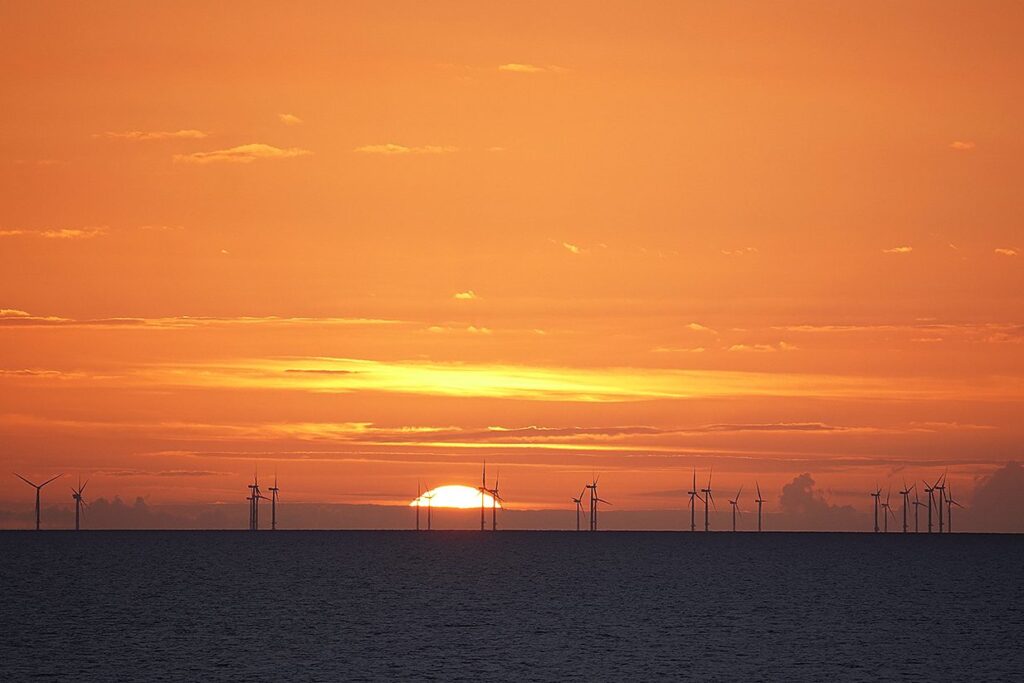
The Fylde Coast points just about due West. Which makes it a perfect place to enjoy the most amazing sunsets over the sea as it disappears from view beyond the horizon.
I’d always wondered, when I lived in land, exactly when sunset was and how they can give you such a precise time on the weather forecast. It all becomes clear as you watch the golden red globe quickly pass the radius of the earth on the horizon.
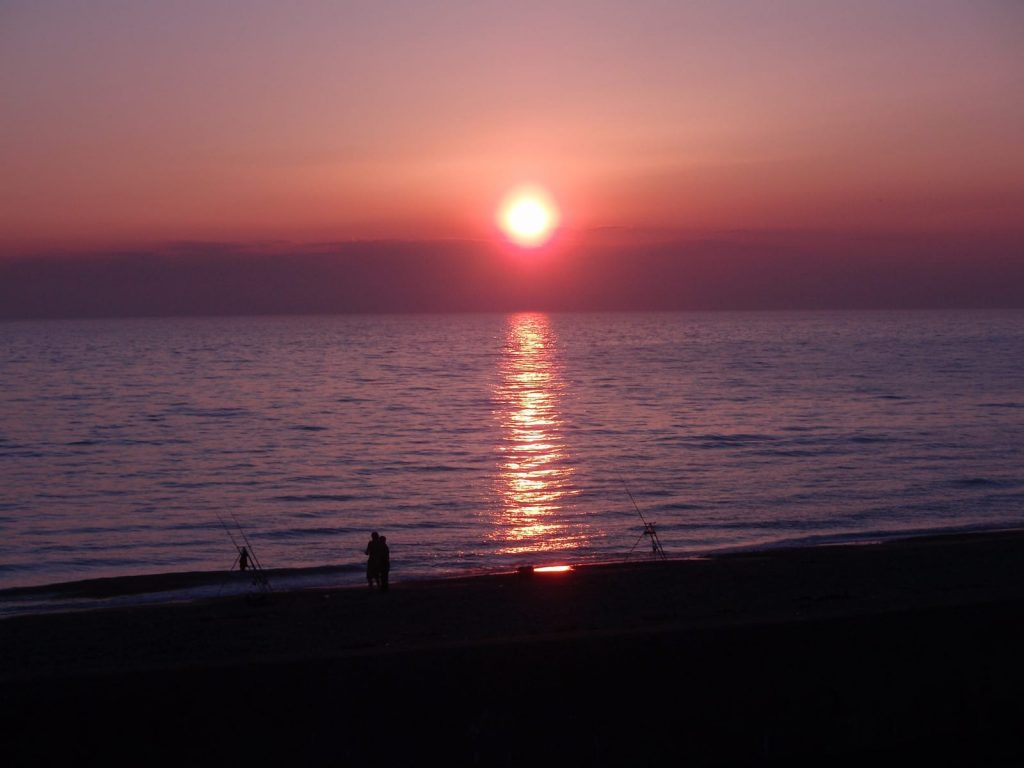
Sunset is the absolute point where the yellow orb disappears from view, even though the sky still stays light for a while longer. It’s what you see in the above photo.
Watch one of these sunsets, glinting over the sea in this video short –

Share Your Sunsets over the Sea
Have you caught an amazing view of one of our spectacular sunsets over the sea?
Why don’t you upload it to the Coast Watchers timeline. We’re creating a record of the Fylde Coast through the seasons.
You could also post them in our Visit Fylde Coast Facebook group.

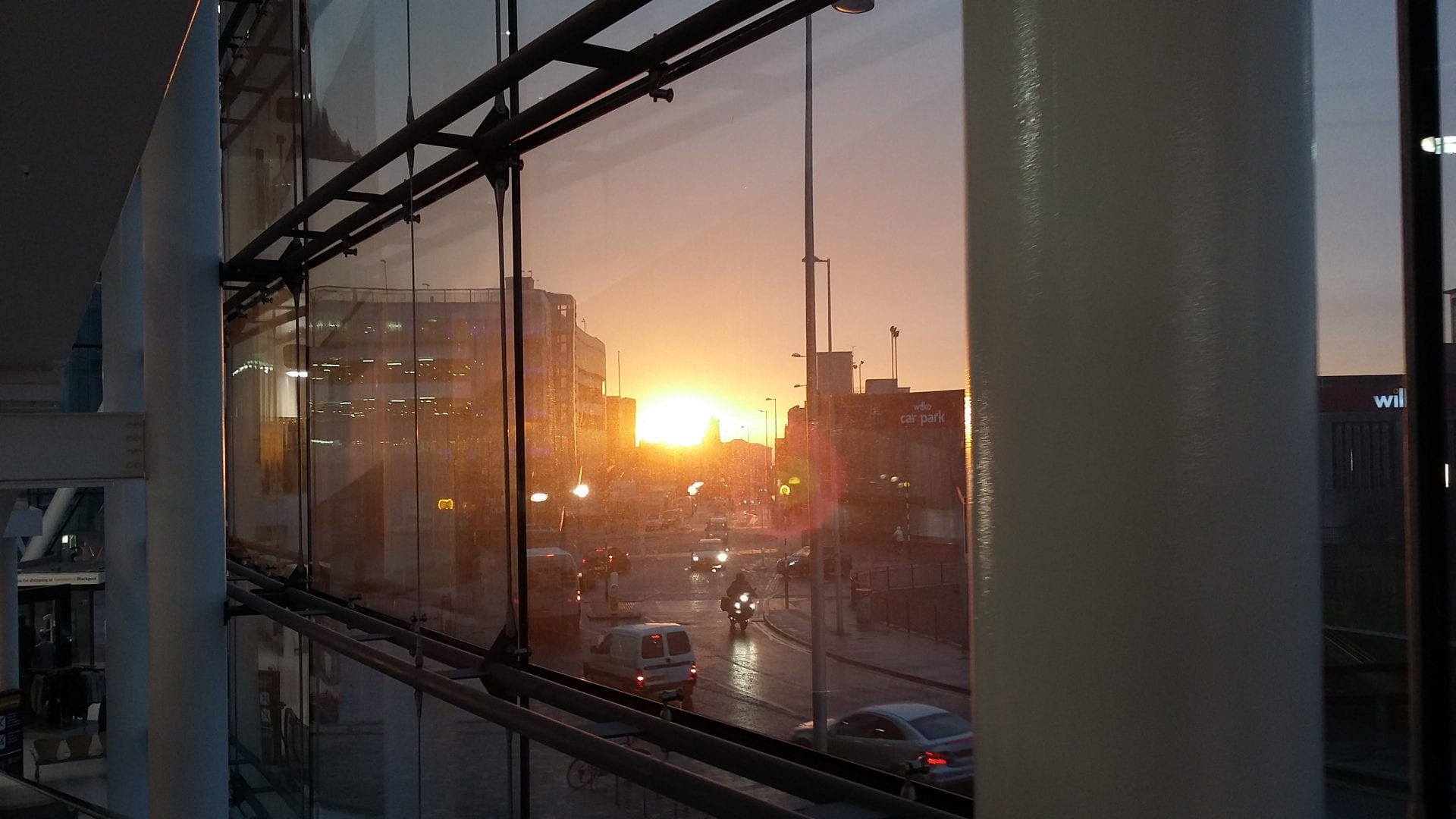
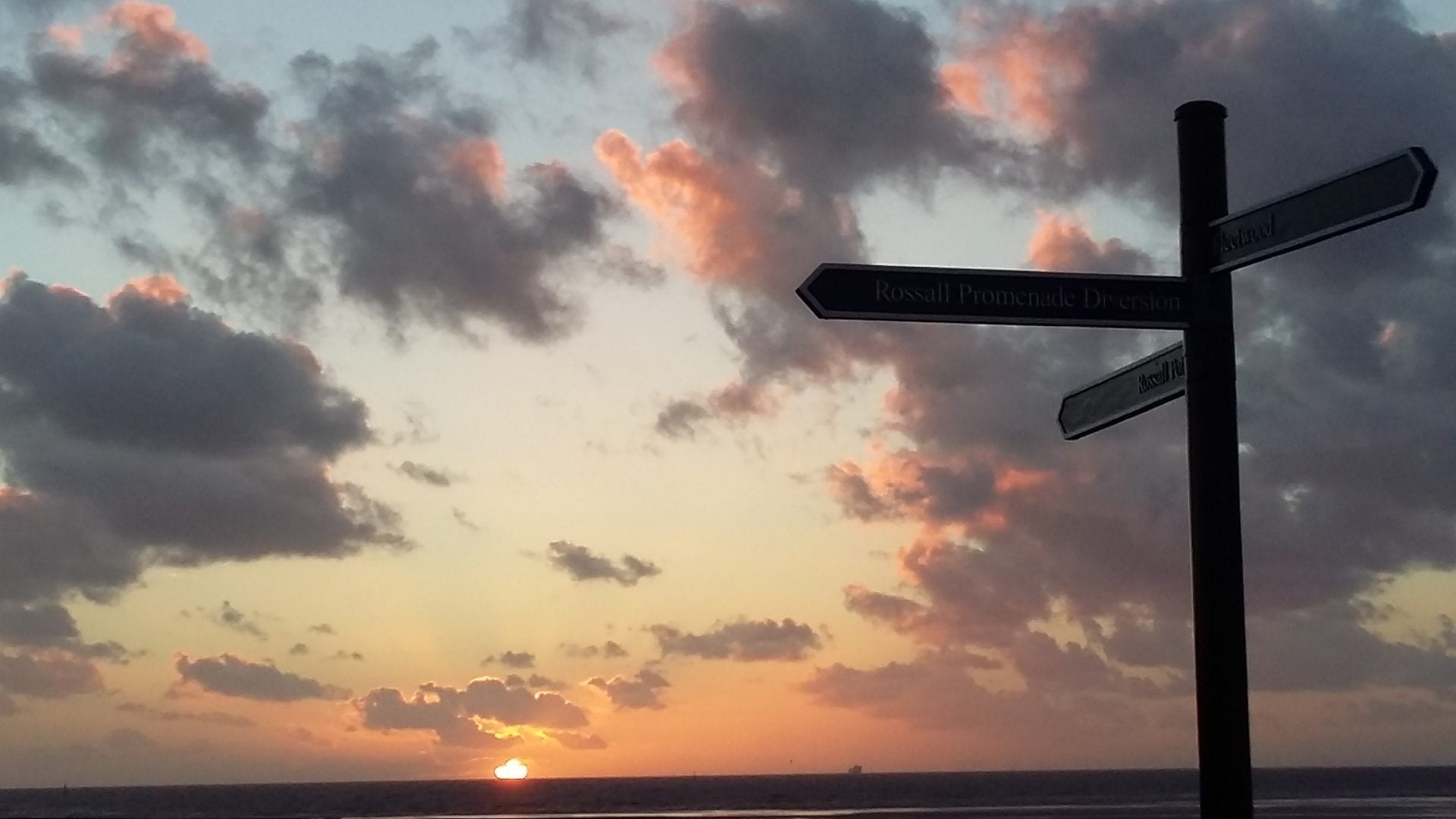


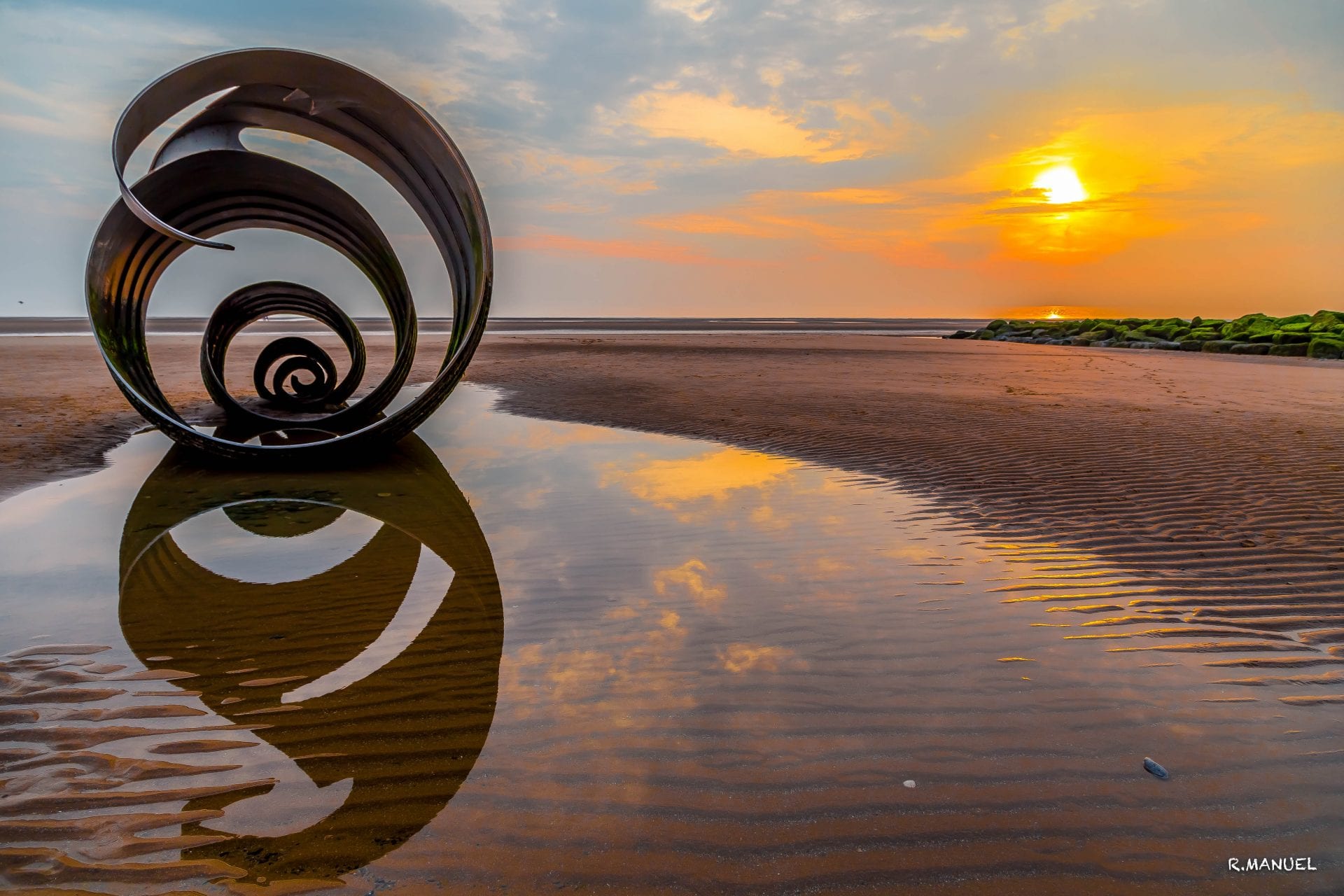
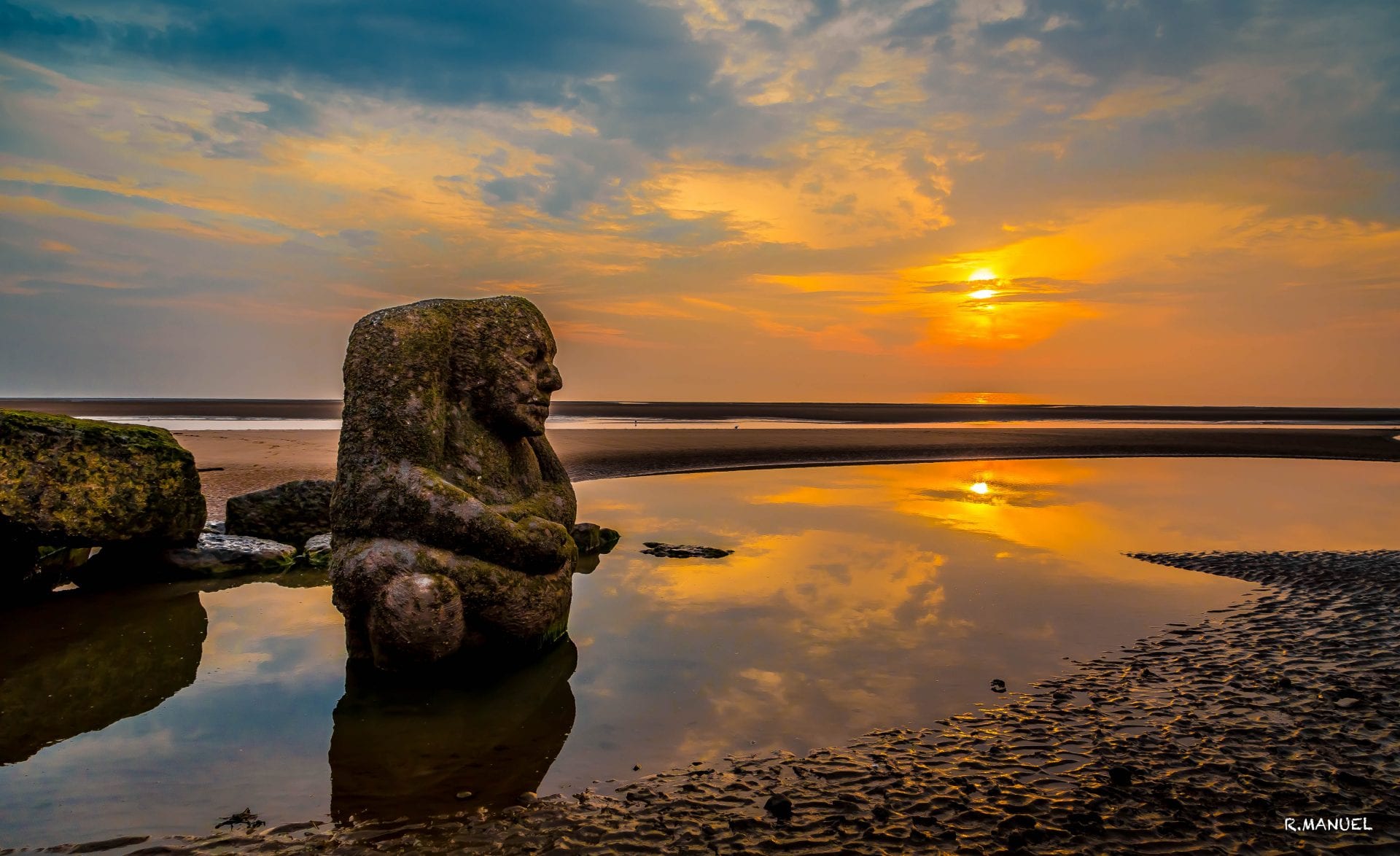
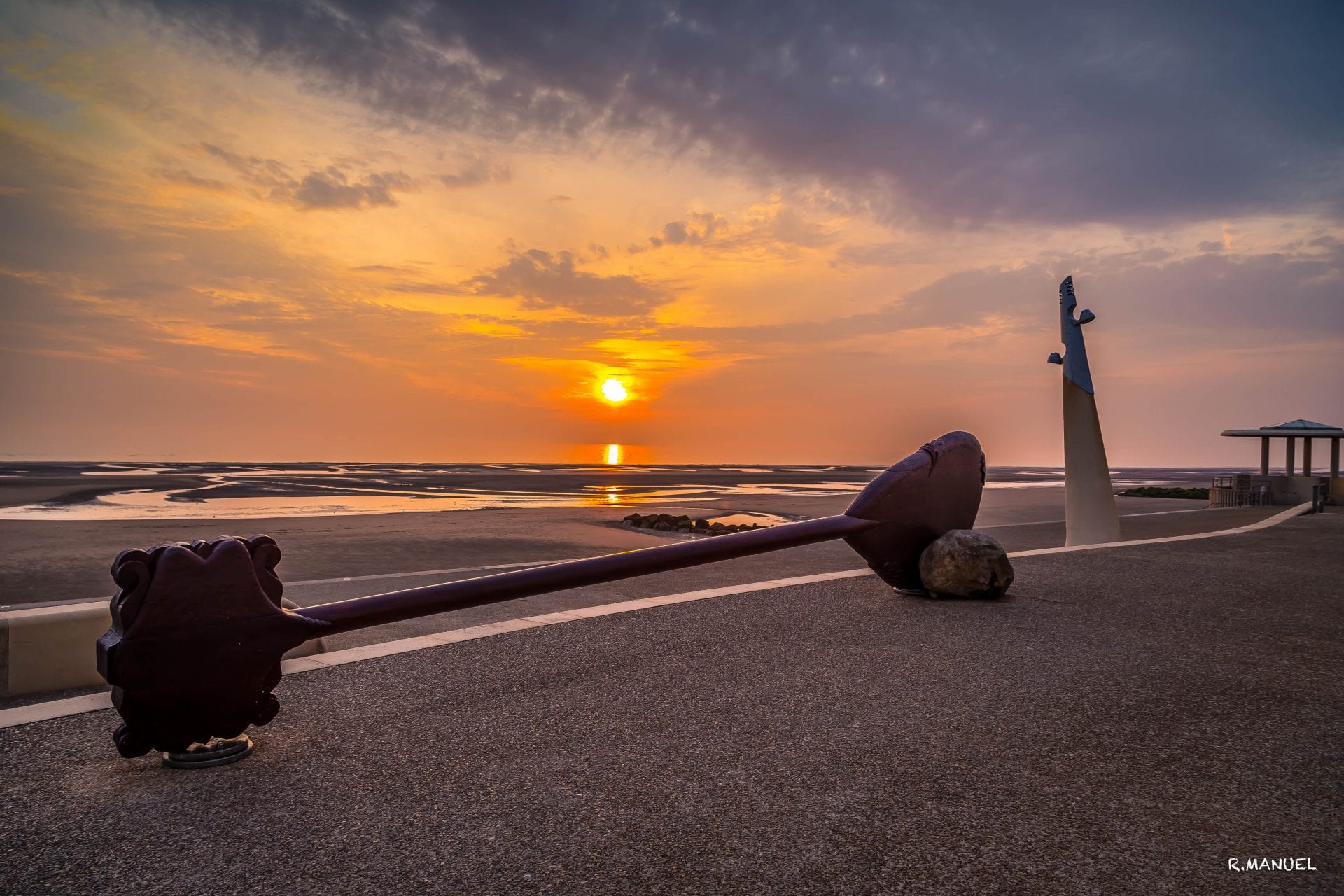
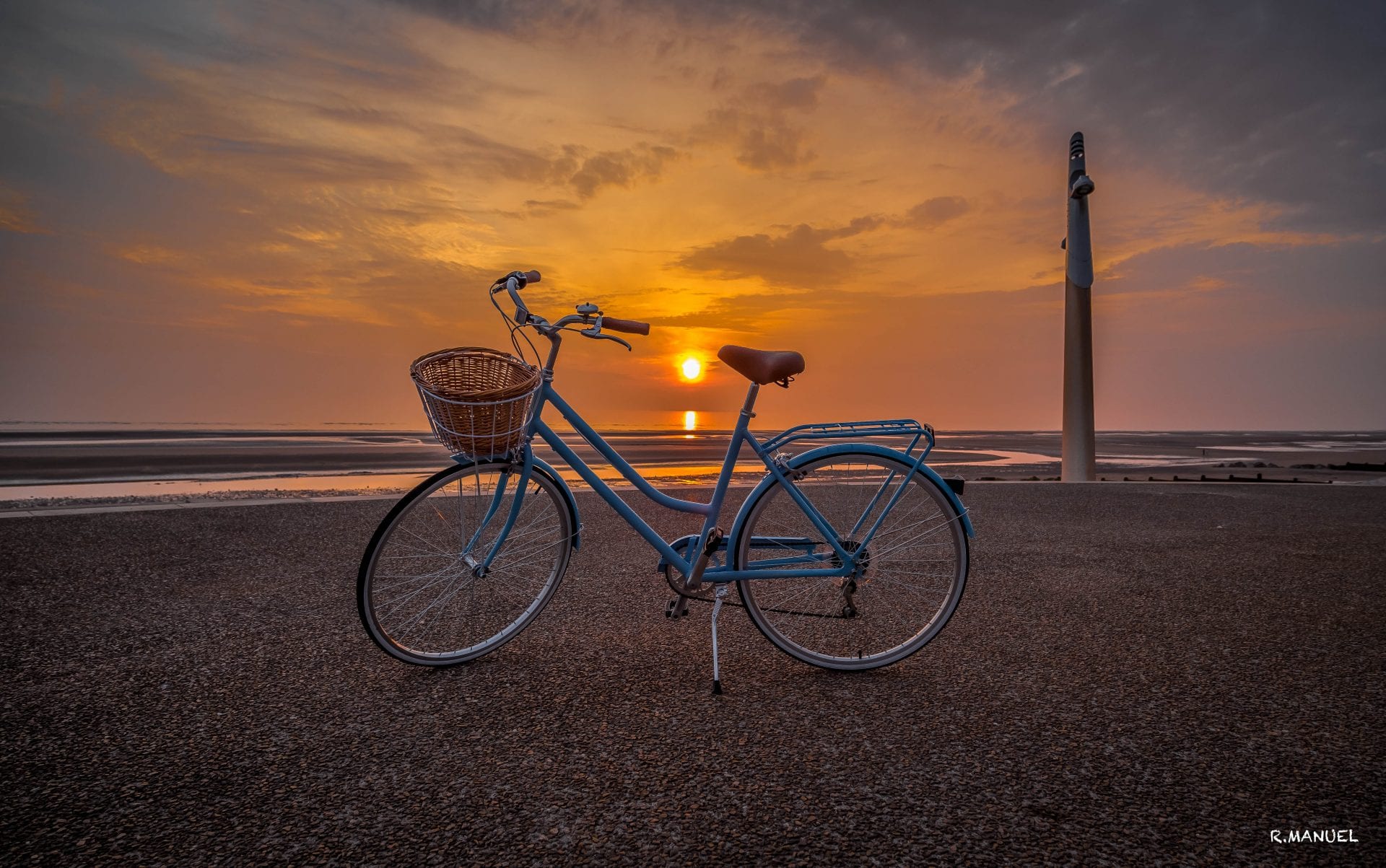
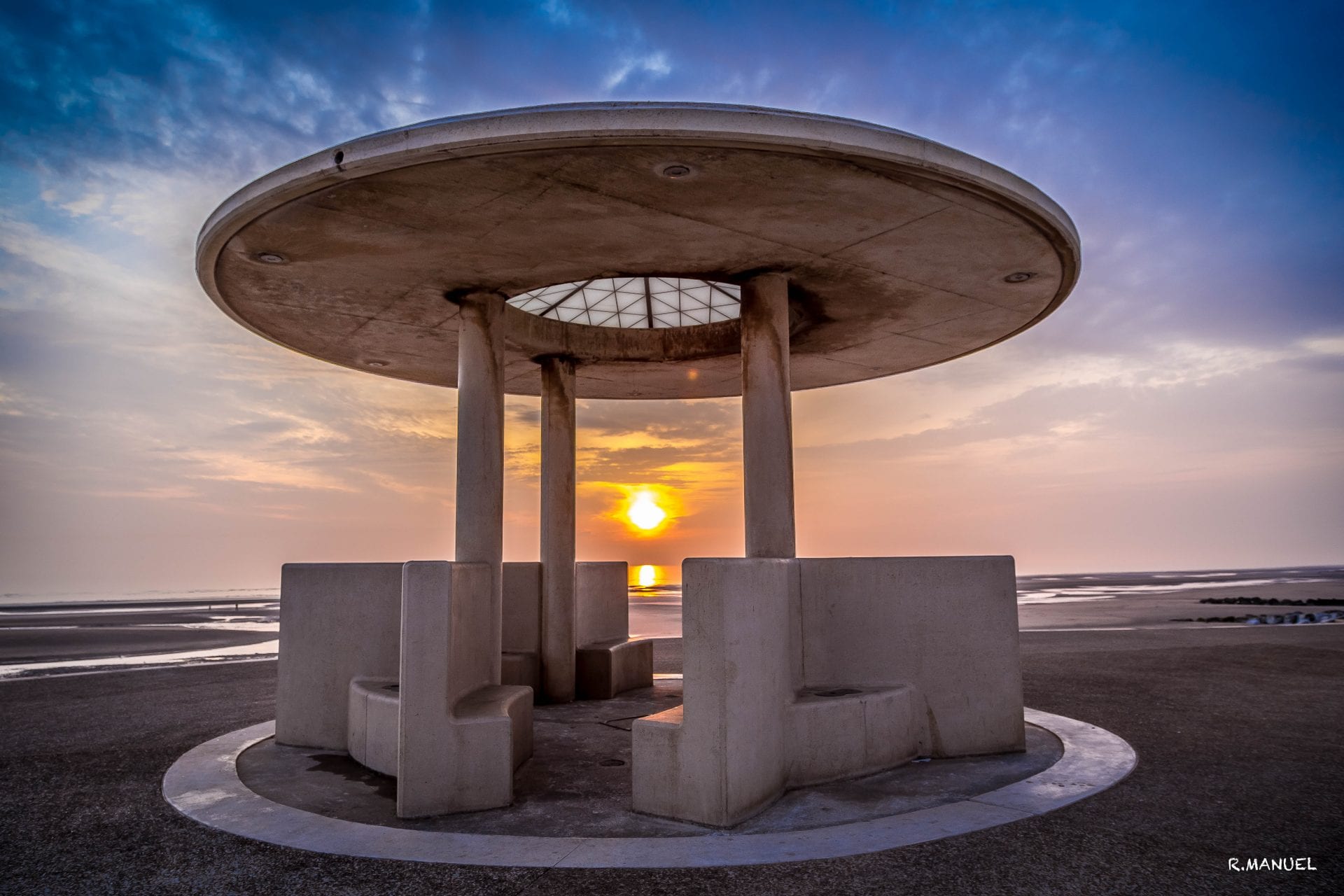

The Changing Sunsets over the Sea
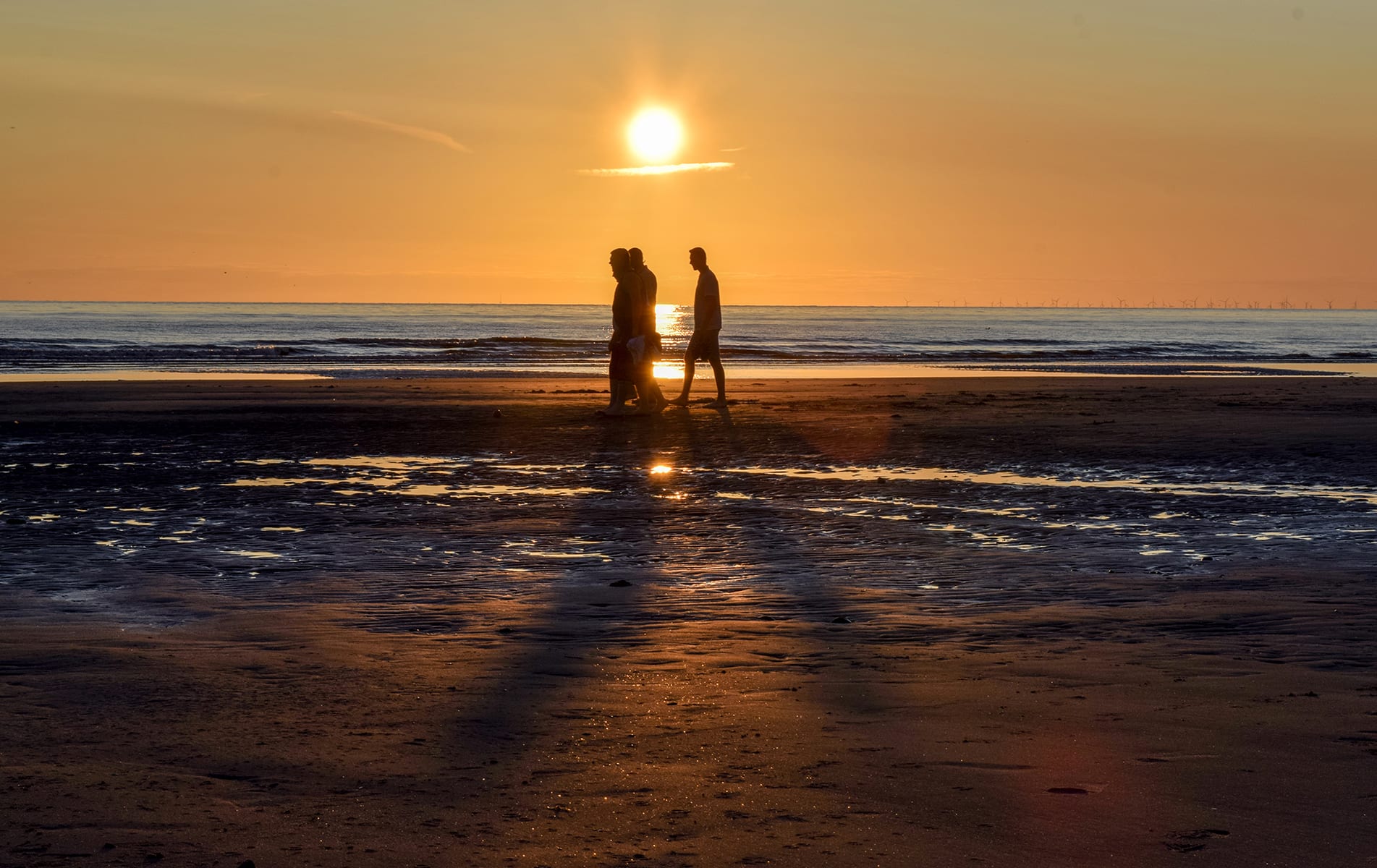
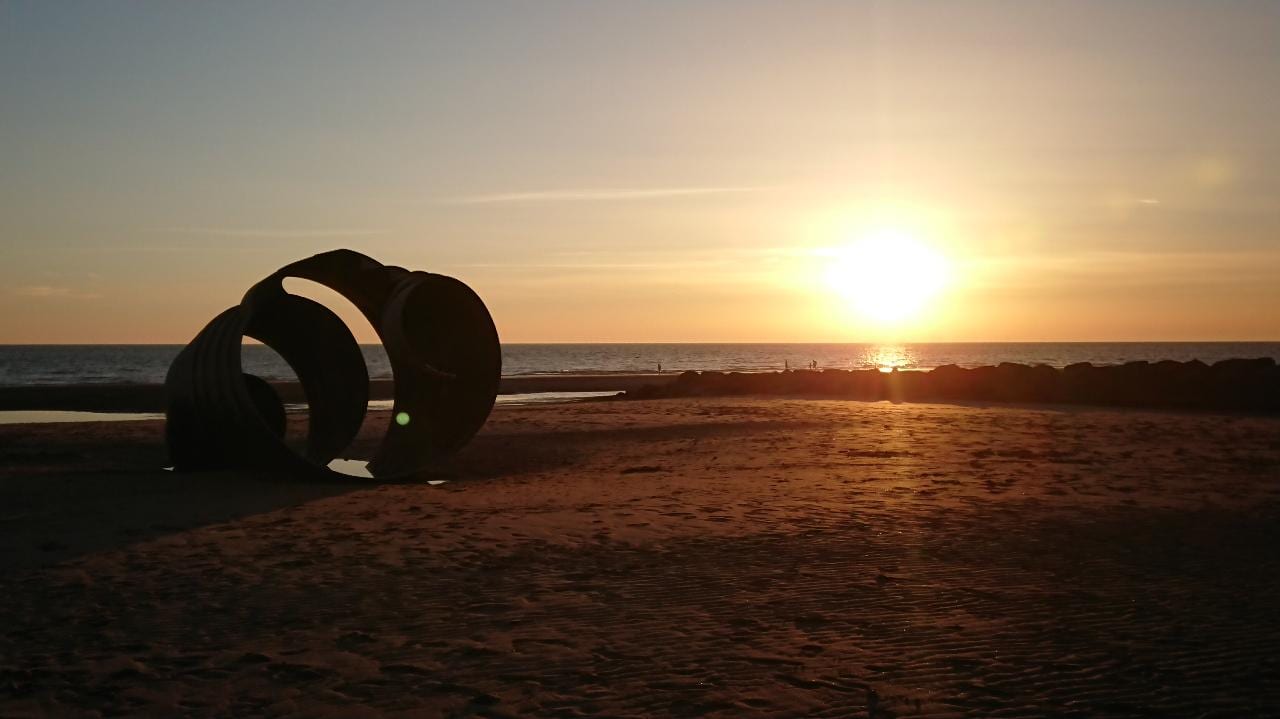
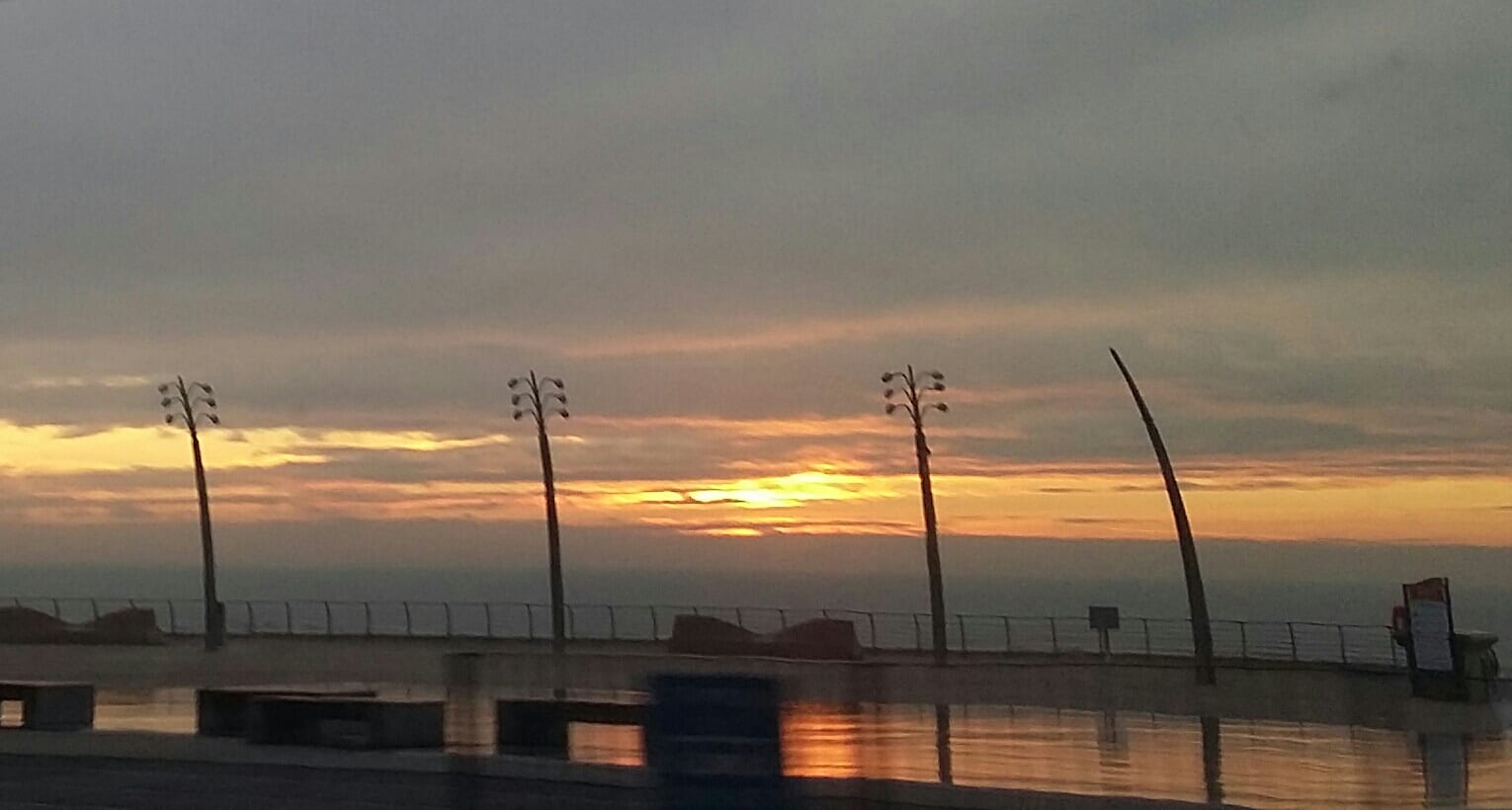
It’s interesting to see how the position of the sunsets over the sea change throughout the year.
Imagine you’re standing on the coast at Cleveleys facing the sea.
- In the depth of winter around the time of the winter solstice (the shortest day) on 21 December it sets to your left at something like 3.40pm.
- Each day it gets higher in the sky and sets further round the coast to your right. It reaches the furthest point at the time of the summer solstice (the longest day) on 21 June. Then, it’s setting far round to your right almost lined up with Heysham, at about 10.30pm.
- The cold, crisp months of autumn, winter and spring see some brilliant sunsets over the sea. They’re spectacular all year round. The trick is to head to the coast at the end of a bright day where the sky has been clear of clouds. Whatever the time of year that’s when you’ll see the best ones.
Take a look at this compilation video of gorgeous Fylde Coast sunsets –

What makes the sky red at sunset?
The light from the sun travels further to reach your eyes as it starts to set and drops in the sky. This means that more of its light is reflected and scattered by dust, gas, and particles that we can’t see in the atmosphere.

Light is made up of the colours of the rainbow. As my physics teacher always said ‘blue gets bent best’ which means it’s on the inside of the rainbow with the shortest wavelength. The short wavelength colours of blue and green are easily scattered when they hit the particles in the air. That leaves the long wavelength colours of red, orange and yellow to continue travelling in a straight direction that reaches your eye.
The most spectacular colours are seen when the sky contains particles of dust or water. They reflect light in all directions and bounce out the shorter wavelength colours more effectively, so that you see the reds, pinks and oranges more clearly.
Spectacular Sunsets over the Sea – from Volcano Dust
You might remember back in May 2010 that a volcano kept erupting in Iceland. It’s dust disrupted air flights left, right and centre. At the time, the sunsets over the sea had to be seen to be believed, as they were so exceptionally vibrant.
The photo below which was taken at the time doesn’t do it justice. Unfortunately I didn’t have a massive-megapixel camera to hand at the time either!
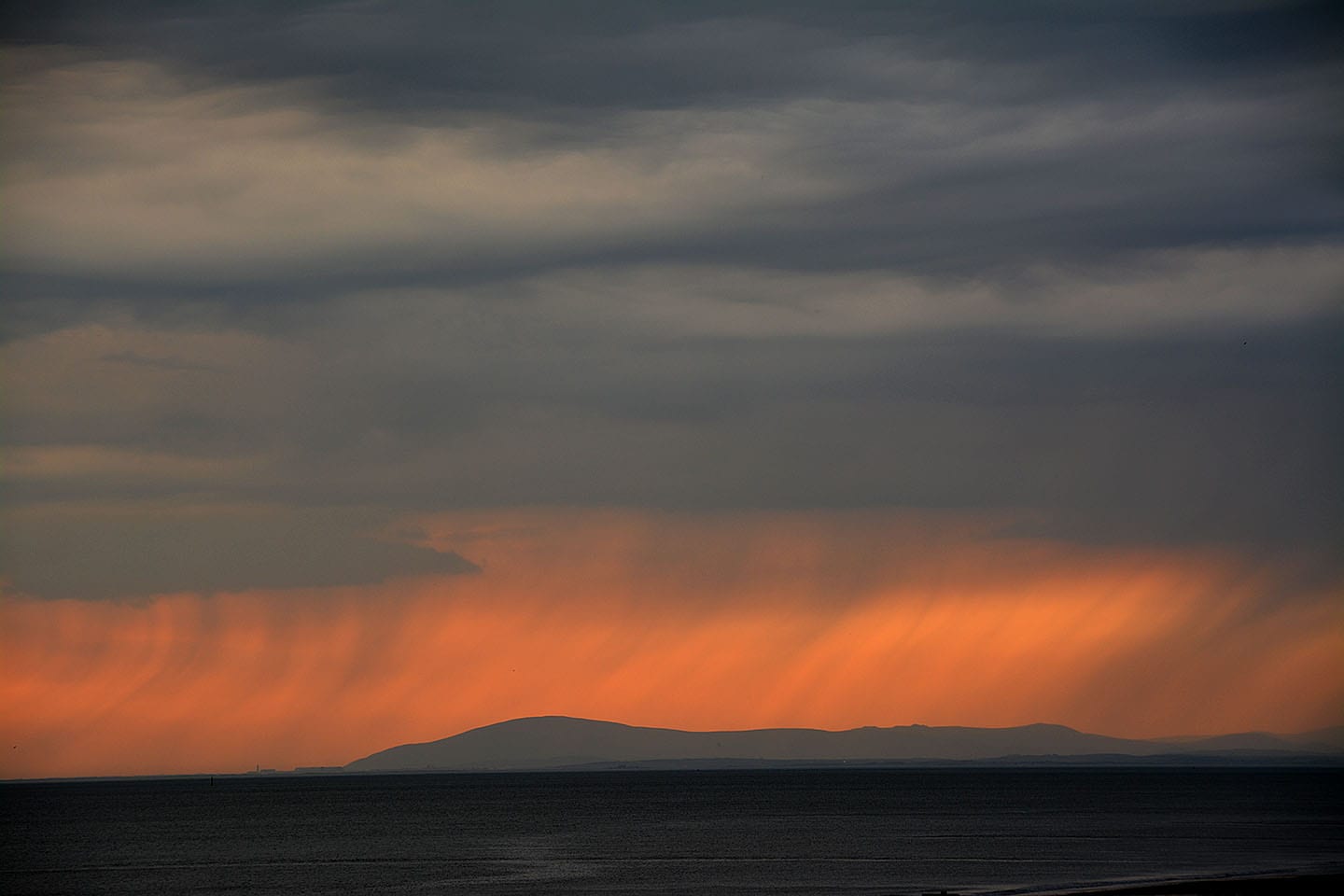
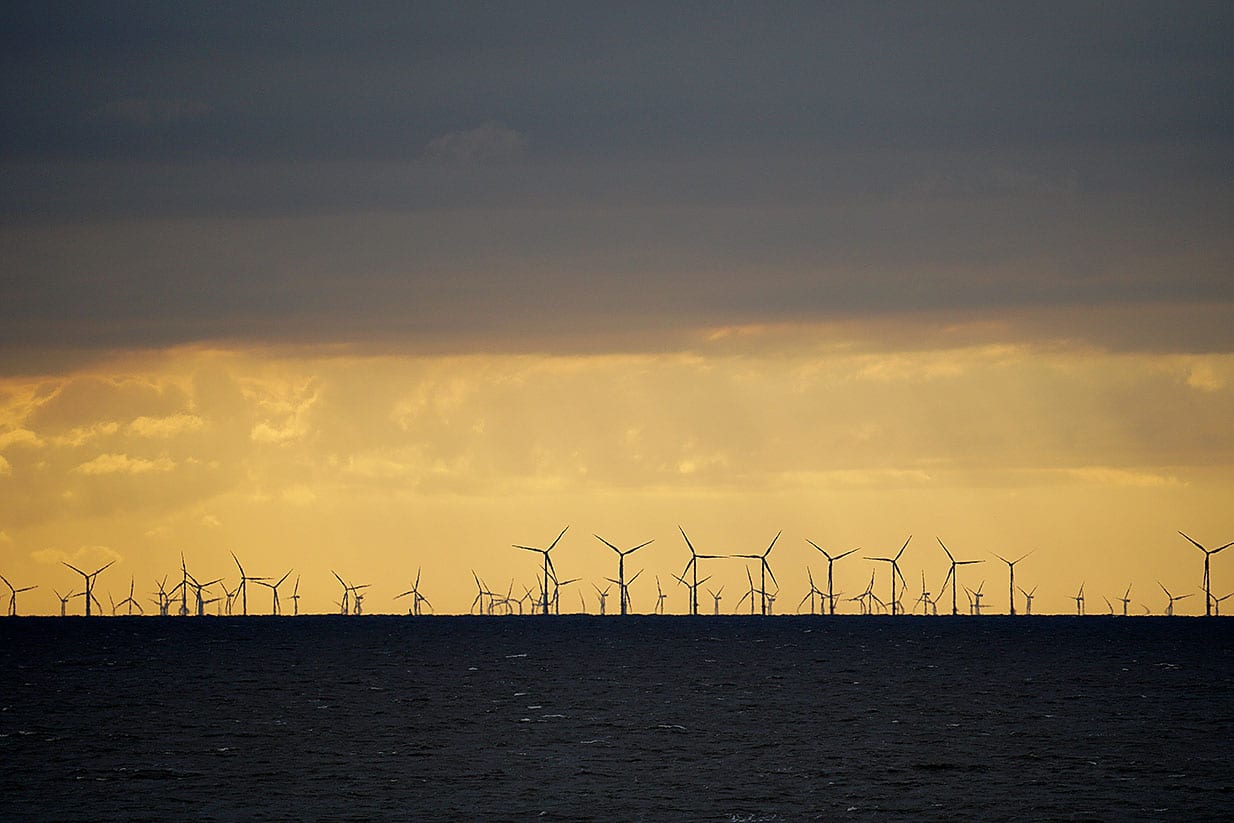
At sunset, when the sky is particularly clear, you’ll also be able to see the Isle of Man through the edge of the windfarms, far out to sea on the horizon.
Of course the sky needs to be clear to see the sunset, and full cloud cover obstructs it from view. But a partly cloudy sky can create some stunning sights, especially with dark clouds and the contrast of the red sun behind them.
The windfarms in the Irish Sea, clouds and boats all pose to make good photography subjects. As do silhouetted people on the beach, horse riders and kite surfers.
LOTS of sunset, weather and beach videos to watch in this playlist on our YouTube channel –
While you’re here…
What do you think? Why don’t you join in and leave a comment below?
Have a look at the Visit Fylde Coast website homepage for more of the latest updates.
If you love the Fylde Coast you ought to sign up for our weekly email newsletter. It’s packed full of interesting things and will arrive in your inbox all 52 weeks of the year.
Join us on Facebook at our Visit Fylde Coast Facebook Group
Don’t forget to follow us on Twitter @visitFyldeCoast


