


The beaches and estuaries of the Fylde Coast are important stopping-off points for migrating birds. They’re a rest and refuel stop as these small, courageous creatures fly on their round-the-world journeys!
Migrating Birds at the Ribble Estuary
The Ribble estuary alone welcomes a quarter of a million migrating birds each autumn.
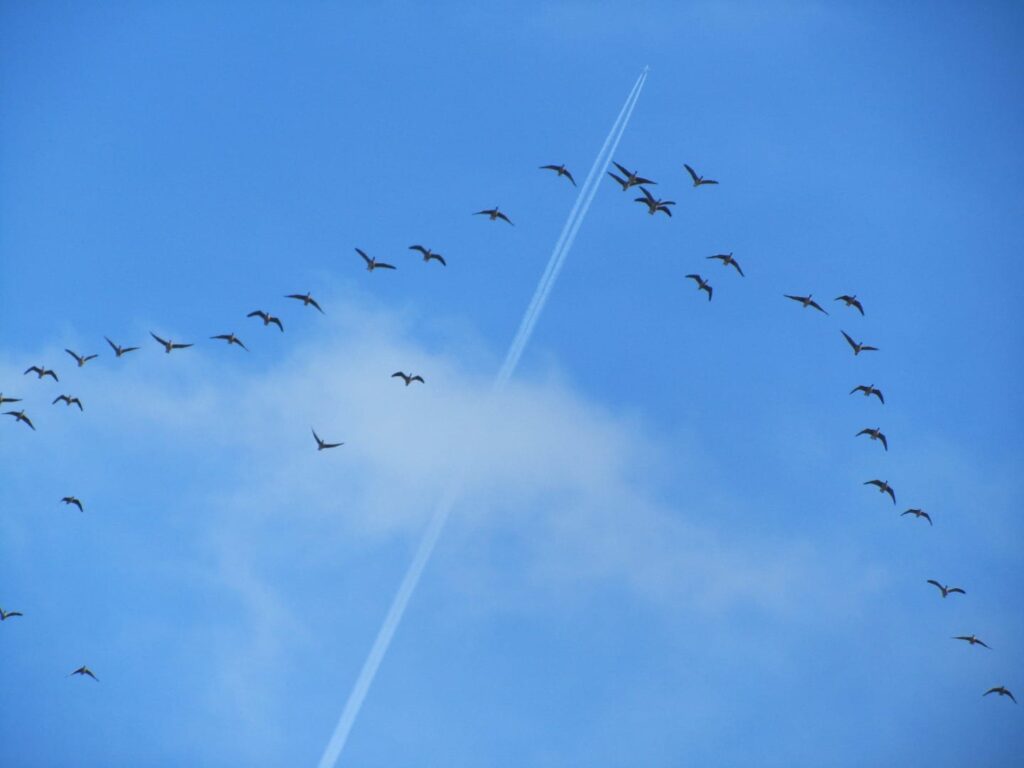
The Ribble Estuary is one of the top estuaries in the UK for birds. Up to 300,000 birds use the estuary as either a winter home or a refuelling stop during their migrations from the Arctic to Africa. There is always plenty to see, especially in autumn and spring.
Every autumn, the Ribble estuary attracts a great variety of birds from as far as Russia, Iceland, Siberia and Greenland. They migrate to the area following the breeding season and spend the winter feeding on the creatures that they find in the rich mud.
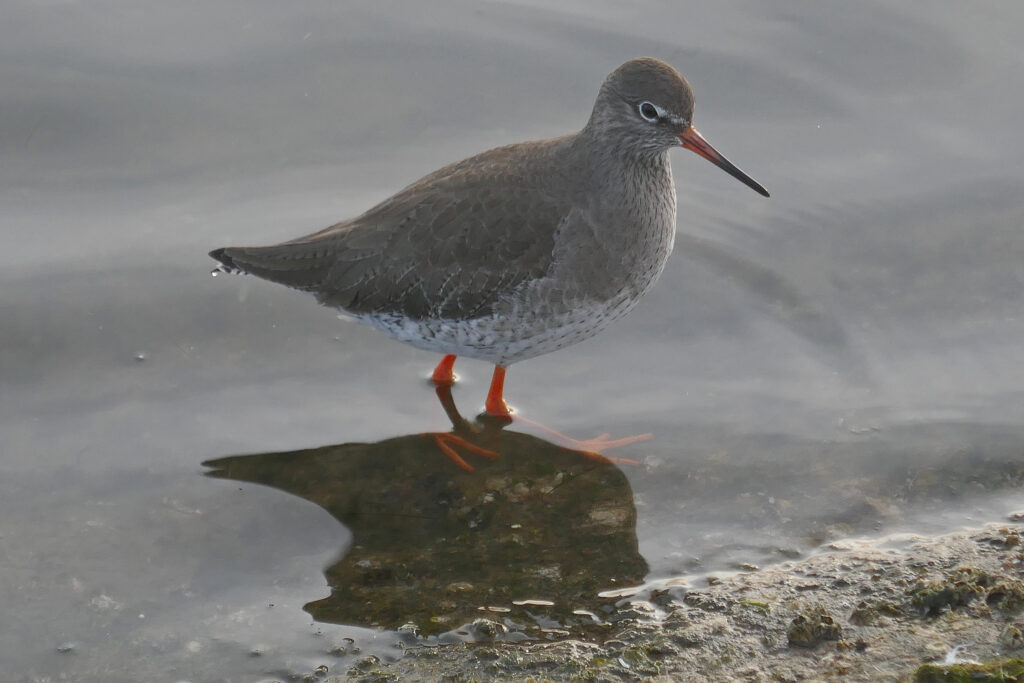
Did you know? This mud is so nutritious it contains approximately 20 chocolate bars worth of energy in every one cubic metre. It makes the Ribble the third most important estuary in the UK for wildlife.

How do they do that?
Satellites orbit the earth measuring all kinds of information. The European Space Agency is running a project called Earth Explorer Swarm mission. With measurements from it, scientists have developed a tool that links the strength and direction of earth’s magnetic field to the flight paths of migrating birds.
Even after decades of research we still don’t fully understand how birds and animals cross unimaginably large distances in their migrations. This new research is a big step forward. For the first time it’s been possible to compute the strength and direction of the magnetic field along migratory paths.
Find out about the science behind magnetic fields and migrating birds
See the Migrating Birds
Visitors to Fairhaven Lake can watch amazing aerial acrobatics as birds fly over the estuary. Many people stroll along our stunning coastline, yet they may not realise the mud is home to such special creatures. From tiny shrimps to iconic curlews, the Ribble estuary is home to so much nature.
Despite the impressive numbers of birds here, much of our wildlife is sadly declining due to changes in their environment. They need all the help they can get. You can really help the birds in a few simple ways to avoid disturbing them:
- Look out for any flocks of birds at high tide and keep a significant distance from them.
- Keep your dog on a lead when you are near high tide bird ‘roosts’ so there is less danger of alarming the birds.
- Keep well away from the water’s edge at any state of the tide because this is the area where the birds will do most of their feeding.
- Don’t fly model aircraft or kites over the saltmarsh.
The Visitor Centre isn’t far from St Annes sand dunes. That natural habitat is also full of wildlife. Why don’t you visit there next?
Star Species of Winter at the Ribble Estuary
As the Winter nights draw in the Ribble estuary comes alive with the sound of birds. The thick gloopy mud and undulating saltmarsh of the estuary is perfect for the quarter of a million birds who visit it every year. Winter is an especially busy time with international arrivals visiting to escape harsher winters elsewhere.
If you are out on a stroll here are just a few special species you might see over the next coming months.
Pink-footed Goose
You can’t miss these geese at this time of year with their distinctive honk, colourful legs and feet, flying in a traditional “V” shape formation.
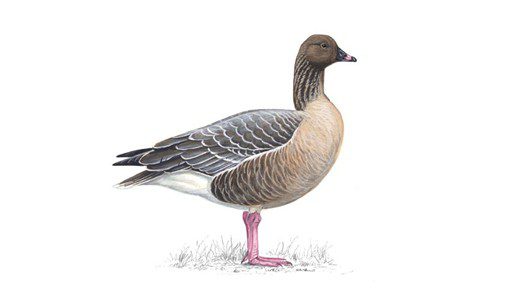
Tens of thousands of these geese come to the estuary every year from Svaldbard and the Arctic to avoid the harsh Winter conditions before heading back in the Summer to breed. As herbivores these distinctive geese can be found foraging in the saltmarsh or on agricultural land.
Also a common sight in fields elsewhere across the Fylde Coast, and at Cleveleys, where they feed in huge numbers.
Knot
Visiting the Ribble estuary to escape harsh Arctic conditions these charismatic birds just love our estuary mud and all the worms and snails they find in it.
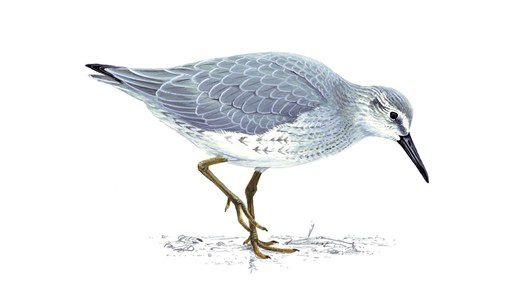
A small grey stocky wading bird with a white underside in Winter, most noticeable because of its penchant for doing impressive group aerial acrobatics over the estuary. They fly in swooping flocks similar to the way that starlings do.
Dunlin
The smallest common wader in the UK, characterised by their love of being in large flocks on the estuary.
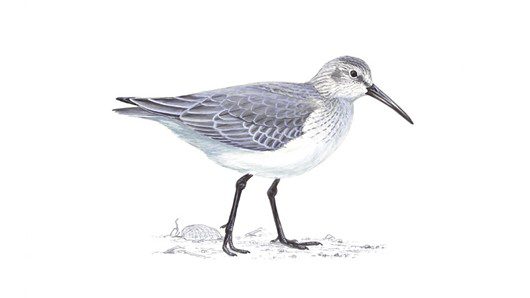
It also has black legs and slightly downward curving beak. The best time to see these beautiful birds is when high tide is in which forces them to come closer to shore to feed.
Wigeon
Another popular winter visitor is this very festive looking duck.
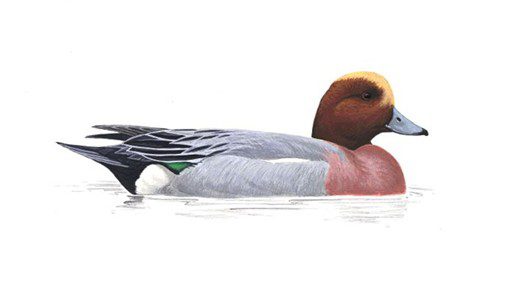
Males have a chestnut head and yellow forehead, whilst the females are sandy brown with a white belly. Commonly found in groups in lakes and salt marshes where there is plenty vegetation to stock up on over Winter.
Little Egret
Seen all year round but in greater numbers in the Winter, as more fly in from the continent.
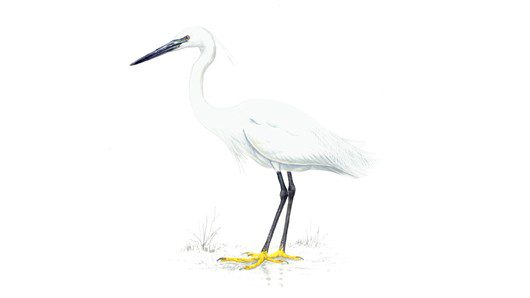
These elegant looking birds are in the heron family and with their long white feathers and black legs it’s not hard to see why. However don’t be fooled by their beauty, their black beak is dagger like and very effective at snapping at the prey which they hunt in the estuary mud and saltmarsh pools.
Have you taken any great photos of Migrating Birds?
They’re amazing to watch, if you’ve caught any of them in your photos why not send them in? We’ll add them to this page and share them on our social media channels. Just email them to jane@theRabbitPatch.co.uk

- Big Garden Birdwatch
- Goldfinches – the Fylde Coast Clowns!
- Make your own wild bird cake
- Seagulls
- A Day in the Life of Homer
While you’re here…
Go to the homepage of the Visit Fylde Coast website for the latest updates.
Love the Fylde Coast? Sign up for your email newsletter. Packed full of interesting things it arrives in your inbox all 52 weeks of the year.
👉Join us on Facebook at our Visit Fylde Coast Facebook Group. Plus hundreds of videos to watch on our YouTube channel – from all over the Fylde Coast!
📣JOIN our new VFC WhatsApp Channel for what’s happening, interesting local information, history, communities, events and much more.
Booking a stay? Pick a safe, clean and legal place to stay, at the very best price. Book using the Visit Fylde Coast Accommodation guide.


